
Frequently asked questions
Safari Essentials
Planning Your Safari
Health & Safety
Destinations
Accommodation
Flights & Travel
Packing
When to Travel
Cost & Payment
Planning your safari
-
Africa offers something few destinations can: the chance to disconnect from everyday life and reconnect with nature in its purest form. A safari isn't simply about seeing wildlife; it's about waking to the sounds of the bush, watching elephants gather at a waterhole, enjoying dinner beneath a sky filled with stars, and experiencing landscapes that change dramatically from one destination to the next.
Whether you're drawn to the vast plains of East Africa, the waterways of Botswana's Okavango Delta or the dramatic scenery of Namibia, every safari is different. You can combine exceptional wildlife viewing with world-class food and wine, vibrant cities, beautiful beaches and meaningful cultural experiences, creating a journey that's tailored entirely to your interests.
For many travellers, a safari becomes one of the most memorable holidays they've ever taken—not because of a single moment, but because every day brings something unexpected.
-
Between x and x but the cost of a luxury safari depends on several factors, including where you travel, the time of year, the standard of accommodation and the length of your stay. Seasonal demand, internal flights and the experiences you choose can all influence the overall price.
Rather than thinking about the cost of individual hotels, it's more helpful to consider the value of the complete journey. Most luxury safaris include accommodation, meals, game drives, local drinks, park fees, laundry and many activities, meaning there are often fewer additional expenses once you arrive.
Our travel designers will work with your budget to create the best possible itinerary, recommending destinations and lodges that offer exceptional experiences and value without compromising on quality.
-
Absolutely. A safari can be one of the most rewarding family holidays, offering children and adults the chance to experience wildlife together in a way that's both exciting and educational. Watching a pride of lions, tracking elephants with an expert guide or gathering around a campfire after sunset creates shared memories that stay with families for years.
Many luxury lodges welcome children and offer family suites, private villas and activities designed specifically for younger guests, such as bush walks, nature treasure hunts, cooking lessons and junior ranger programmes. For families with younger children, we often recommend booking a private vehicle so game drives can be tailored to your own pace and schedule.
Some safari camps do have minimum age requirements, particularly where wildlife moves freely through camp or activities involve walking. We'll recommend destinations and lodges that are best suited to your children's ages and your family's travel style.
-
Africa is one of the world's most romantic honeymoon destinations. Whether you're watching the sunrise over the Serengeti, enjoying a private dinner beneath the stars or ending your journey on a white-sand beach in the Indian Ocean, a safari offers experiences that feel both intimate and unforgettable.
Many luxury lodges provide honeymoon touches such as private dining, outdoor baths, sleep-outs, spa treatments and special surprises, while destinations like Botswana, Zambia and the Seychelles offer exceptional privacy.
One of the biggest advantages is variety. You can combine adventure, relaxation, wildlife, culture and beach time into a single journey, creating a honeymoon that's as unique as your relationship.
-
It depends on your nationality and the countries you're planning to visit. Visa requirements vary across Africa, and some destinations allow visa-free entry or visas on arrival, while others require you to apply before you travel.
If your itinerary includes more than one country, you'll also need to check the entry requirements for each destination, as these may differ.
The good news is that you won't have to figure it out on your own. Once your itinerary is confirmed, we'll advise you of the visa requirements for every country you're visiting and let you know whether you need to apply in advance or can obtain a visa on arrival.
As entry requirements can change, we also recommend checking the latest government travel advice before departure. We'll make sure you have all the information you need well before you travel, so there are no last-minute surprises.
-
For most travellers, 7 to 10 nights is the ideal length for a first safari, giving you enough time to explore different landscapes and enjoy several days of wildlife viewing without feeling rushed.
If you're travelling from the United States, we'd generally recommend spending at least ten nights in Africa to make the journey worthwhile. Many guests combine two or three safari regions before ending their trip with a few nights in Cape Town, Victoria Falls or on an Indian Ocean island.
The right itinerary depends on your interests, available time and travel dates, and we'll help you find the right balance between safari, sightseeing and relaxation.
-
We recommend booking 9 to 12 months in advance, particularly if you're travelling during peak season or have your heart set on specific lodges. Luxury safari camps are intentionally small, often with fewer than twenty guests, so availability can fill quickly.
If you're planning to travel over Christmas, New Year or during the Great Migration, booking even earlier is advisable.
That said, wonderful last-minute safaris are still possible, especially if you're flexible with your travel dates or destination.
-
Yes—and many of the best African itineraries do exactly that. It's surprisingly easy to combine neighbouring countries, allowing you to experience different landscapes, wildlife and cultures in a single journey.
Popular combinations include Botswana with Victoria Falls, Kenya with Tanzania, South Africa with Mozambique, or Namibia with Botswana. Many guests also finish their safari with a relaxing beach stay in Mauritius, Mozambique or the Seychelles.
We'll recommend combinations that make sense geographically and minimise unnecessary travel time.
-
A fly-in safari uses light aircraft to connect remote camps, allowing you to spend more time enjoying your destination and less time travelling. It's the preferred option in countries such as Botswana and Zambia, where camps are widely dispersed and inaccessible by road.
A road safari involves travelling between destinations by vehicle. This works particularly well in South Africa, Kenya, Tanzania and Namibia, where scenic drives are often part of the experience.
Neither option is better—the right choice depends on your destination, budget and preferred style of travel.
-
Planning an African safari is very different from booking a typical holiday. With so many countries, lodges, seasons and flight connections to choose from, knowing where to begin can feel overwhelming.
That's where we come in.
Our travel designers know Africa first-hand and take the time to understand what you're looking for before recommending an itinerary that's tailored specifically to you. We compare destinations, match you with the right lodges, coordinate flights and transfers, and ensure every part of your journey fits together seamlessly.
Because we work closely with a carefully selected collection of trusted safari camps and lodges across Africa, we can recommend the properties that best suit your travel style, interests and budget, rather than simply suggesting the most well-known options.
Perhaps most importantly, we're here before, during and after your journey. From your first enquiry to the moment you return home, you'll have the reassurance of knowing that experienced professionals are looking after every detail.
The result is a safari that's thoughtfully planned, personally tailored and completely stress-free, allowing you to focus on what really matters—experiencing Africa.
Choosing a Destination
-
The best safari destination isn't necessarily the one with the most famous name—it's the one that best matches your travel style, interests and expectations.
Some destinations are all about iconic wildlife. Others are known for spectacular scenery, intimate camps or adventurous activities. The time of year you're travelling, your budget and how long you have available will also influence which destination is right for you.
If wildlife is your priority, Botswana, Kenya and Tanzania are consistently outstanding. If you'd like to combine safari with world-class food, wine and culture, South Africa is hard to beat. Travellers looking for dramatic landscapes and fewer crowds often fall in love with Namibia, while those wanting to track mountain gorillas should look to Rwanda or Uganda.
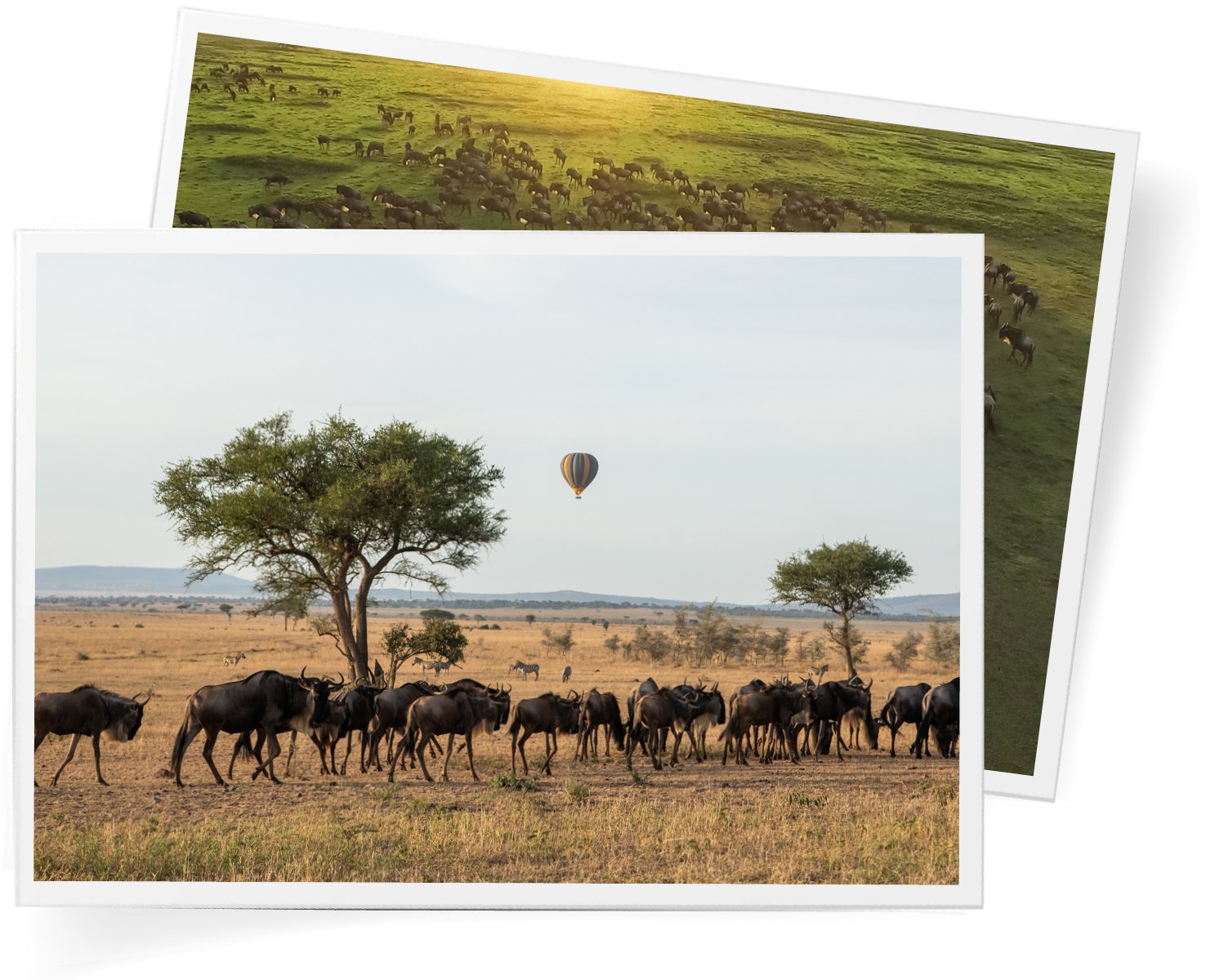
Think about the experience you want to have rather than simply the country you want to visit. Would you rather glide silently through the Okavango Delta in a mokoro, watch millions of wildebeest cross the Mara River, explore the towering dunes of the Namib Desert or enjoy a malaria-free family safari?
Our recommendations
For first-time visitors – South Africa or Botswana.
For iconic wildlife – Tanzania and Kenya.
For luxury and exclusivity – Botswana.
For breathtaking landscapes – Namibia.
For gorilla trekking – Rwanda or Uganda.
For safari and city experiences – South Africa.
With so many incredible options, choosing can feel overwhelming. Our travel designers know these destinations first-hand and can recommend the itinerary that best suits your interests, travel dates and budget.
-
There's no single "best" country for a first safari – the right destination depends on what you're hoping to experience. Some travellers dream of witnessing the Great Migration, while others want exclusive wildlife encounters, dramatic landscapes or a combination of safari and city life.
For many first-time visitors, we recommend destinations that are easy to access, offer exceptional wildlife viewing and provide a variety of experiences. South Africa is an excellent introduction to safari, particularly if you'd like to combine game viewing with Cape Town, the Winelands or the Garden Route. Botswana is ideal for travellers seeking exclusivity, luxury camps and some of Africa's most pristine wilderness areas. Kenya and Tanzania deliver the classic safari experience, with vast open plains, abundant wildlife and the chance to witness the Great Migration at certain times of the year.
Rather than focusing on ticking animals off a list, think about the type of holiday you'd like. Would you prefer intimate camps with only a handful of guests? Are you travelling as a family or celebrating a honeymoon? Do you want to spend every day on safari or include beaches, vineyards or vibrant cities?
Our recommendations
South Africa – Ideal for first-time visitors wanting variety, excellent value and easy logistics.
Botswana – Perfect for luxury travellers seeking exclusivity, exceptional guiding and unforgettable wildlife.
Kenya & Tanzania – The quintessential safari destinations, renowned for iconic landscapes and extraordinary game viewing.
Every traveller is different, and the best safari is one that's tailored to your interests, travel dates and budget. Our travel designers can help you compare destinations and create an itinerary that's right for you.
-
East Africa and Southern Africa both offer exceptional safari experiences, but they are very different in character. Choosing between them comes down to the type of journey you're looking for.
East Africa—primarily Kenya and Tanzania—is home to the classic safari landscapes many people imagine when they think of Africa. Endless savannahs, large herds of wildlife and the spectacular Great Migration make this region ideal for travellers seeking iconic game viewing. Safaris often focus on moving between renowned national parks, with wildlife taking centre stage throughout the journey.
Southern Africa offers a more varied travel experience. Botswana is known for exclusive, low-impact safaris in remote wilderness areas, while South Africa combines exceptional game reserves with Cape Town, the Winelands and the Garden Route. Namibia is celebrated for its dramatic desert scenery and unique self-drive adventures, while Zambia and Zimbabwe offer some of Africa's finest walking safaris and access to Victoria Falls.
Neither region is better—they simply offer different experiences. East Africa is perfect for those dreaming of vast plains and abundant wildlife, while Southern Africa offers greater diversity, allowing you to combine safari with cities, beaches, wine regions and extraordinary landscapes.
At a glance
East Africa
Classic safari landscapes
The Great Migration
Large concentrations of wildlife
Kenya and Tanzania
Southern Africa
Greater variety of experiences
Luxury fly-in safaris
Cape Town, Victoria Falls and the Winelands
Botswana, South Africa, Namibia, Zambia and Zimbabwe
If you're not sure which region is right for you, we'll help you compare the experiences and recommend an itinerary that matches your travel style, available time and budget.
-
The Big Five – lion, leopard, elephant, rhino and buffalo – can be seen in several African countries, but some destinations consistently offer better sightings than others.
If seeing all five animals is at the top of your wishlist, South Africa is often the best place to start. Many private game reserves bordering the Kruger National Park are home to healthy populations of the Big Five, and experienced guides know their areas intimately, making sightings more predictable over a stay of several days.
Botswana also offers exceptional wildlife viewing, particularly for elephants, lions, leopards and buffalo. While rhino numbers are more limited than in South Africa, conservation efforts have been highly successful, and several reserves now offer excellent opportunities to complete the Big Five.
Kenya and Tanzania are renowned for spectacular wildlife and vast numbers of animals. While the focus is often on the sheer scale of the safari experience rather than ticking off a checklist, both countries offer excellent chances of seeing the Big Five, particularly in areas such as the Maasai Mara, Serengeti and Ngorongoro Crater.
That said, we always encourage travellers not to measure a safari solely by the Big Five. Some of the most memorable moments are watching a pack of African wild dogs on the hunt, witnessing thousands of elephants crossing the Chobe River, or simply enjoying a quiet sunrise with giraffes grazing nearby. Often, it's these unexpected encounters that become the highlights of a safari.
If your priority is seeing the Big Five, we'll recommend the destinations and lodges that give you the best opportunity based on the time of year you're travelling.
-
Africa is a wonderful destination for families, but the best choice depends on the ages of your children and the type of experience you're looking for.
For many families, South Africa is the ideal introduction to safari. It's easy to reach, offers excellent family-friendly lodges, and combines beautifully with destinations like Cape Town, the Cape Winelands and the Garden Route. There are also several malaria-free safari reserves, making it a popular choice for families with younger children.
For families with older children or teenagers, Botswana offers an unforgettable adventure. Mokoro excursions through the Okavango Delta, boat safaris, walking safaris and exceptional wildlife encounters create a more immersive experience, although many camps have minimum age requirements.
Kenya and Tanzania are excellent for families interested in wildlife, culture and wide-open landscapes. Many lodges offer family suites and private guides, while experiences such as visiting Maasai communities add another dimension to the journey.
One of the biggest advantages of travelling with Southern Destinations is that we can match your family with lodges that genuinely welcome children, rather than simply allowing them. Many offer junior ranger programmes, nature walks, bushcraft activities and guides who know exactly how to keep younger travellers engaged.
Every family travels differently. We'll recommend an itinerary that suits your children's ages, your pace of travel and the experiences you want to share together.
-
Africa has a remarkable way of making special occasions feel even more extraordinary. Whether it's your honeymoon, an anniversary or simply time away together, a safari offers a combination of adventure, privacy and romance that's difficult to find anywhere else.
For couples seeking exclusivity, Botswana is hard to beat. Many camps are intentionally small, with just a handful of suites overlooking rivers or floodplains. Days are spent exploring pristine wilderness before returning to candlelit dinners, outdoor baths and evenings beneath star-filled skies. It's intimate, peaceful and wonderfully unhurried.
If you've always dreamed of Africa's iconic safari landscapes, Tanzania offers an exceptional honeymoon, particularly when combined with Zanzibar. Few journeys compare to witnessing the Serengeti's incredible wildlife before unwinding on the white-sand beaches of the Indian Ocean.
For couples wanting greater variety, South Africa combines luxury safari lodges with Cape Town's vibrant food scene, award-winning wineries and spectacular coastline. It's one of the easiest destinations to create a honeymoon that balances wildlife, relaxation and exploration.
If privacy and adventure are priorities, we also love combining Botswana with Victoria Falls, or pairing Namibia's dramatic desert landscapes with a secluded safari lodge for something a little different.
The best honeymoon isn't about choosing the most luxurious lodge—it's about creating a journey that reflects your interests as a couple. Whether you're looking for adventure, relaxation, incredible wildlife or time to simply enjoy each other's company, we'll help design a honeymoon that's every bit as memorable as the destination itself.
-
Africa is a photographer's dream, but the best destination depends on what you love photographing. Are you hoping for dramatic wildlife action, vast landscapes, colourful cultures or rare species?
If wildlife is your priority, Kenya and Tanzania are hard to beat. The open plains of the Maasai Mara and Serengeti provide beautiful natural light and unobstructed views, making it easier to photograph predators, large herds and, at certain times of the year, the Great Migration.
For more intimate wildlife encounters, Botswana offers exceptional photographic opportunities. Quiet waterways, seasonal floodplains and exclusive safari camps mean fewer vehicles and more time to observe animal behaviour. It's an excellent choice if you enjoy patience, storytelling and capturing unique moments rather than simply ticking species off a list.
If landscapes inspire you as much as wildlife, Namibia is extraordinary. From the towering red dunes of Sossusvlei and the haunting Skeleton Coast to desert-adapted elephants and star-filled night skies, it's one of Africa's most visually striking destinations.
If photography is an important part of your safari, we can recommend camps with specialist photographic guides, vehicles designed for photographers and itineraries that maximise your time in the field. The right location, the right season and the right guide can make all the difference.
-
Value isn't always about finding the lowest price—it's about choosing the destination that offers the best experience for your budget.
For many travellers, South Africa offers outstanding value. It combines exceptional wildlife, world-class accommodation and excellent food and wine with a wide range of lodges and experiences to suit different budgets. It's also easy to combine a safari with Cape Town, the Cape Winelands and the Garden Route, creating a diverse holiday without extensive internal travel.
Zimbabwe and Zambia can also represent excellent value, particularly for travellers looking for authentic safari experiences, outstanding guiding and fewer crowds than some of Africa's more famous destinations.
If your dream is to experience Botswana, travelling during the shoulder or green seasons can offer exceptional value while still delivering remarkable wildlife sightings and luxurious accommodation.
Rather than asking, "What's the cheapest safari?" we encourage travellers to ask, "Where will I get the most rewarding experience for my budget?" That's where thoughtful planning makes all the difference.
We'll help you compare destinations, travel seasons and lodge options to ensure you get the greatest value without compromising on the quality of your safari.
-
If luxury means privacy, exceptional service and unforgettable wildlife experiences, it's difficult to look beyond Botswana.
Botswana has deliberately limited the number of visitors to many of its wilderness areas, creating an exclusive safari experience centred around small, beautifully designed camps in remarkable locations. With outstanding guides, personalised service and extraordinary wildlife, it's often the destination we recommend to travellers seeking Africa's most refined safari experience.
That said, luxury takes many forms. South Africa offers some of the continent's finest private game reserves, complemented by award-winning hotels, celebrated restaurants and world-class wine estates. It's perfect for travellers who enjoy combining safari with cosmopolitan experiences.
Tanzania and Kenya also offer exceptional luxury, from elegant tented camps overlooking the Serengeti to exclusive conservancies in the Maasai Mara, where guest numbers are carefully managed and wildlife encounters remain intimate.
Luxury isn't simply about beautiful accommodation. It's about having expert guides who bring the bush to life, thoughtful service that anticipates your needs, and the freedom to experience Africa at your own pace.
If you're looking for a truly exceptional safari, we'll recommend the destinations and lodges that best match your expectations, travel style and budget.
-
Walking through the African bush is one of the most immersive safari experiences you'll ever have. Without the distraction of a vehicle, you become far more aware of the sights, sounds and scents of your surroundings, discovering the smaller details that are often missed on a traditional game drive.
Zambia is widely regarded as the birthplace of the walking safari and remains one of the finest destinations for travellers wanting to explore the bush on foot. Accompanied by highly qualified guides and armed scouts, you'll learn how to interpret animal tracks, identify plants, understand bird calls and appreciate the intricate ecosystems that make Africa's wilderness so remarkable.
Zimbabwe also offers outstanding walking safaris, particularly in Mana Pools National Park, where walking alongside elephants and other wildlife creates an unforgettable sense of connection with nature.
In Botswana, several concessions also offer guided bush walks, providing another perspective on the landscape alongside traditional game drives and water-based activities.
Walking safaris aren't about covering long distances or seeking adrenaline. They're about slowing down, observing your surroundings and gaining a deeper understanding of the bush.
If you'd like to include a walking safari in your itinerary, we'll recommend destinations and lodges that match your fitness level, interests and previous safari experience.
-
Combining a safari with a beach escape is one of Africa's most rewarding travel experiences. After early mornings, exciting game drives and unforgettable wildlife encounters, a few days by the ocean provides the perfect opportunity to relax and reflect before returning home.
One of our favourite combinations is Tanzania and Zanzibar. After exploring the Serengeti and Ngorongoro Crater, Zanzibar offers beautiful beaches, warm Indian Ocean waters and a fascinating blend of African, Arab and European influences.
For travellers visiting South Africa, Mauritius is an excellent choice, with direct flights making it easy to combine safari with luxurious resorts, calm lagoons and exceptional hospitality. Mozambique offers a more secluded beach experience, with boutique lodges, world-class diving and a wonderfully relaxed atmosphere.
If exclusivity is your priority, the Seychelles combines effortlessly with East African safaris, offering pristine beaches, granite islands and some of the most beautiful scenery in the Indian Ocean.
The best combination depends on how you'd like to spend your time. Some travellers are looking for complete relaxation after safari, while others want snorkelling, diving, sailing or island-hopping adventures.
We'll recommend the beach destination that best complements your safari, travel dates and personal style, creating a journey that feels balanced from beginning to end.
-
Once you've experienced your first safari, many travellers discover that Africa has so much more to offer than the Big Five.
A second safari is the perfect opportunity to slow down and explore a different side of the continent. Rather than focusing on a checklist of animals, many experienced travellers choose destinations known for unique landscapes, specialist wildlife experiences or more immersive activities.
If you've already visited South Africa or the Maasai Mara, Botswana offers an entirely different perspective. Exploring the Okavango Delta by mokoro, gliding silently through reed-lined channels or watching elephants gather along the Chobe River creates a safari that's as much about the landscape as the wildlife.
For something completely different, Namibia combines dramatic desert scenery with fascinating wildlife, while Zambia is widely regarded as the birthplace of the walking safari, offering a more intimate connection with the bush. Rwanda and Uganda provide one of Africa's most moving wildlife experiences: spending time with endangered mountain gorillas in their natural habitat.
Many repeat travellers also choose to focus on specific interests, whether that's birding, photography, conservation, walking safaris or marine experiences.
Africa is a continent you'll never truly finish exploring. Every destination offers something different, and every return visit reveals a new perspective. If you're ready for your next adventure, we'd love to help you discover a side of Africa you haven't experienced before.
-
One of the great advantages of travelling in Africa is how easily many destinations complement one another. Combining two or more countries allows you to experience different landscapes, wildlife, cultures and activities in a single journey, creating a safari that's far richer than staying in one place.
Some combinations are particularly seamless. Botswana and Zimbabwe pair beautifully, with a safari in the Okavango Delta or Chobe National Park followed by a few nights at Victoria Falls. Kenya and Tanzania are a natural match, allowing you to experience both the Maasai Mara and Serengeti, particularly during the Great Migration.
If you'd like to combine wildlife with vibrant cities and fine dining, South Africa works exceptionally well with Botswana, Zimbabwe, Zambia or Mozambique. Namibia also combines easily with Botswana for travellers wanting dramatic landscapes alongside classic safari experiences.
The best itinerary isn't about visiting as many countries as possible—it's about creating a journey that flows naturally without spending too much time in airports or on the road. We carefully plan every itinerary to balance travel time with meaningful experiences, ensuring each destination adds something different to your holiday.
If you're unsure how to combine countries, we'll recommend an itinerary that makes the most of your available time while keeping travel relaxed and enjoyable.
Flights and getting there
-
Africa is closer than many people think. Depending on where you're travelling from and your final destination, most journeys from the United States take between 18 and 30 hours, including connecting flights.
If you're travelling to Southern Africa, Johannesburg is often your first point of arrival, while East African safaris typically begin in Nairobi or Kilimanjaro. From there, you'll connect to your safari destination by scheduled or charter flight.
While it may seem like a long journey, most of our guests agree it's well worth it. Once you arrive, the pace of safari life encourages you to slow down, and many travellers quickly forget the journey after their first game drive.
When planning your itinerary, we'll always look for the most efficient routing, minimising travel time while allowing for comfortable connections.
-
If you're travelling from the United States, it's normal to experience some jet lag after a long-haul flight. The good news is that a well-planned safari itinerary gives you time to adjust naturally.
Rather than rushing you from an international flight into a busy schedule, we often recommend a soft landing—perhaps an overnight stay in Johannesburg, Cape Town or Nairobi, or a safari lodge that's easy to reach on your day of arrival. It gives you time to rest, reset and ease into the rhythm of your holiday.
Safari itself is wonderfully restorative. Early mornings are balanced by relaxed afternoons, giving you plenty of time to unwind between activities. Combined with carefully planned flight connections and a sensible pace, most travellers settle in quickly and are ready to enjoy every moment of their safari.
-
Yes. Several airlines offer direct flights from the United States to Africa, although your final safari destination will usually require a connecting regional or charter flight.
Direct services operate from cities including New York, Atlanta and Washington, D.C. to major African gateways such as Johannesburg, Cape Town and Nairobi. Depending on your itinerary, connecting through Europe or the Middle East can also provide excellent routing options and, in some cases, more convenient schedules.
Airlines serving Africa include United Airlines, Delta Air Lines, South African Airways, Kenya Airways, Ethiopian Airlines, Qatar Airways, Emirates, British Airways, Virgin Atlantic, KLM, Lufthansa, Air France and Turkish Airlines.
The best flight isn't always the shortest. Connection times, baggage allowances, arrival schedules and your onward safari transfers all play an important role. We'll recommend the routing that offers the best balance of convenience, comfort and value, ensuring your journey is as seamless as your safari.
-
That depends entirely on your itinerary.
For Southern Africa, many journeys begin in Johannesburg, while safaris in Cape Town or the Western Cape may start with a flight directly into Cape Town. Travellers visiting Botswana often connect through Johannesburg or Maun, while Zimbabwe and Zambia itineraries may begin in Victoria Falls or Livingstone.
For East Africa, Nairobi and Kilimanjaro International Airport are the main gateways into Kenya and Tanzania.
Rather than booking flights first, we always recommend planning your safari itinerary before deciding which airport to fly into. The right routing can save time, reduce unnecessary travel and create a much smoother journey overall.
-
Absolutely. Every transfer is carefully coordinated as part of your itinerary.
From airport meet-and-greets and private road transfers to regional flights and charter aircraft, we arrange every stage of your journey so you can relax and enjoy the experience.
You'll receive detailed travel documentation before departure, including transfer times, flight information and emergency contact details. Throughout your journey, you'll also have the reassurance of knowing that support is only a phone call away should you need it.
Our aim is to make travelling through Africa feel effortless, allowing you to focus on the experience rather than the logistics.
-
Yes. One of the advantages of booking with African Safari Consultants is that you're looked after from the moment you arrive.
Depending on your itinerary, you'll be met by a local representative or driver who will assist with your luggage, guide you through the airport if required and accompany you to your transfer or onward flight.
Whether you're transferring between international and regional flights or heading straight to your hotel, you'll always know where to go next.
Many of our guests tell us that having someone there to greet them after a long international flight is one of the most reassuring parts of the journey.
-
How do I travel between safari camps?
Travelling between safari camps is all part of the adventure, and how you travel depends on your destination and itinerary.
In countries such as Botswana and Zambia, many remote camps are reached by light aircraft. These charter flights connect regional airports with private bush airstrips, often just a short drive from your lodge. Flying over the Okavango Delta, following winding rivers or spotting elephants from the air is an unforgettable experience and often becomes a highlight of the journey itself.
In South Africa, Namibia, and parts of Kenya and Tanzania, road transfers are more common, giving you the opportunity to enjoy the changing scenery between destinations. Depending on your itinerary, boat transfers or helicopters may also form part of the experience.
While light aircraft are smaller than commercial planes, they're operated by experienced bush pilots and are a safe, efficient and well-established part of safari travel throughout Africa.
We'll carefully plan every transfer to minimise travel time, maximise your time on safari, and ensure your journey between camps is as seamless and enjoyable as the destinations themselves.
-
Light aircraft operate with limited payloads, and luggage restrictions are essential for safety and aircraft performance. Weight limits apply to every passenger, and soft-sided bags are much easier to load into the aircraft's compact baggage compartments.
If your itinerary includes several charter flights, we recommend packing light and choosing a soft duffel bag rather than a rigid suitcase.
If you're combining safari with a longer holiday, there are often practical solutions, such as securely storing excess luggage in Johannesburg, Nairobi or Cape Town while you're on safari. We'll advise you on the best option when planning your itinerary.
When to go on safari
Browse our most frequently asked questions to help you plan your African safari with confidence.
-
Africa is a vast continent, and temperatures vary enormously depending on the country, season and altitude.
Many first-time visitors are surprised to discover that early morning game drives can be quite chilly, particularly during the Southern Hemisphere winter between June and August. A warm jacket is often essential before sunrise, even if afternoons are pleasantly warm.
Countries such as South Africa and Namibia experience four distinct seasons, while East Africa's higher elevations often enjoy comfortable daytime temperatures throughout the year.
The good news is that luxury safari lodges are designed with the climate in mind. Shaded decks, swimming pools, cooling breezes and air-conditioned rooms in many camps make it easy to relax between activities.
We'll let you know exactly what weather to expect for your chosen destination and travel dates, so you can pack with confidence.
-
Not necessarily. While the dry season is excellent for wildlife viewing, it's not automatically the best time for every traveler.
From around June to October, many safari destinations experience cooler, drier weather. Vegetation is less dense, animals gather around permanent water sources and wildlife is generally easier to find. It's a fantastic time for first-time safari travellers and photographers hoping to maximise wildlife sightings.
The trade-off is that it's also the busiest and often the most expensive time to travel. Popular lodges can book out months in advance, and some areas attract more safari vehicles during peak periods.
If you enjoy quieter camps, lush scenery and don't mind the occasional afternoon shower, the green season can be equally rewarding. Wildlife is still abundant, landscapes are transformed, and you'll often enjoy a more peaceful safari experience.
The best time to travel isn't simply about the weather—it's about finding the season that best matches your priorities, whether that's wildlife, photography, value or avoiding crowds.
-
Absolutely. In fact, it's one of Africa's best-kept secrets.
The green season, which generally falls between November and April in many safari destinations, transforms the landscape. Dry grasslands become vibrant and green, rivers begin to flow again, and many animals give birth, creating wonderful opportunities to witness new life in the bush.
Bird enthusiasts particularly love this time of year, as migratory species arrive in large numbers and many resident birds display their colourful breeding plumage.
You'll also find fewer visitors, meaning quieter camps, more personal wildlife sightings and, in many destinations, lower accommodation rates.
Rainfall is often far less disruptive than people imagine. It's unusual for it to rain continuously all day. More commonly, you'll experience sunshine for much of the day, followed by a dramatic afternoon or evening shower that quickly clears.
If you're flexible and don't mind occasional rain, the green season offers an entirely different perspective on Africa—one that's every bit as beautiful as the dry season.
-
Africa is a spectacular birding destination throughout the year, but many birdwatchers consider the green season, from around November to April, to be the most rewarding.
During these months, migratory birds arrive from Europe and Asia, resident species display their vibrant breeding plumage, and the bush comes alive with birdsong. Wetlands, rivers and floodplains become particularly active, making this a wonderful time to explore destinations such as Botswana's Okavango Delta or Zambia's river systems.
Even if birdwatching isn't your primary reason for travelling, many guests are surprised by just how captivating Africa's birdlife can be. From colourful bee-eaters and lilac-breasted rollers to majestic fish eagles and giant kingfishers, there's always something to catch your eye.
If bird photography or specialist birding is high on your wish list, we'll help you choose the right destination, guide and travel dates.
-
Calving season generally takes place between late January and early March on the southern Serengeti plains in Tanzania, when hundreds of thousands of wildebeest give birth within just a few weeks.
It's one of the most fascinating times to visit East Africa. The arrival of so many newborn calves attracts predators, creating dramatic wildlife interactions and an incredible sense of energy across the plains.
Although the Great Migration is often associated with river crossings, many safari enthusiasts consider calving season to be just as rewarding. The landscapes are lush, visitor numbers are generally lower than during peak migration months, and wildlife viewing can be exceptional.
If you're interested in witnessing one of nature's most remarkable spectacles, calving season is well worth considering.
-
Christmas and New Year are magical times to visit Africa, but they're also among the busiest periods of the year. Booking well in advance is essential.
Southern Africa is particularly popular at this time, with travellers combining safari with Cape Town, the Winelands and the Indian Ocean. Botswana offers excellent wildlife during the green season, while South Africa enjoys warm summer weather that's perfect for combining city, coast and safari.
East Africa is another excellent choice, especially for those looking to escape the northern hemisphere winter. Kenya and Tanzania continue to offer exceptional wildlife experiences, while destinations such as Zanzibar and the Seychelles are ideal for relaxing after your safari.
If you're planning to travel over the festive season, we'd recommend booking at least 12 to 18 months in advance to secure the best camps and flight options.
-
No—and this is one of the biggest misconceptions about travelling to Africa during the green season.
In most safari destinations, rain tends to arrive as short, dramatic afternoon or evening thunderstorms rather than lasting all day. Mornings are often bright and sunny, with clear skies returning soon after the rain has passed.
The showers bring the landscape to life, filling rivers, encouraging new vegetation and creating beautiful photographic conditions with dramatic clouds and rich colours.
Of course, weather can never be guaranteed, and some destinations receive more rainfall than others. That's why choosing the right country at the right time of year is so important.
If you're travelling during the green season, we'll recommend destinations that traditionally offer the best balance between good weather and exceptional safari experiences.
-
For peak travel periods, we'd recommend booking 9 to 12 months in advance, and even earlier if you're planning to travel over Christmas, New Year or during the Great Migration.
Luxury safari camps are intentionally small, often accommodating fewer than twenty guests, so availability is limited. The most sought-after lodges and family suites can sell out well over a year in advance.
Booking early not only gives you the best choice of accommodation, but also makes it easier to secure preferred flight schedules and create a seamless itinerary.
If your travel dates are flexible, we can also recommend alternative seasons that offer excellent wildlife, better availability and, in many cases, better value.
One thing we've learnt over the years is that the best safaris aren't built around the last available room—they're built around the right itinerary. Starting the planning process early gives us the greatest opportunity to create a journey that's tailored specifically to you.
What to expect on safari
Browse our most frequently asked questions to help you plan your African safari with confidence.
-
Luxury on safari isn't just about beautiful lodges—it's about the quality of the entire experience.
Many of Africa's finest camps are intentionally small, creating a more personal atmosphere and allowing guides to tailor each day around guests' interests. Instead of following a rigid schedule, your safari unfolds at a relaxed pace, with exceptional guiding, thoughtful service and experiences that feel genuinely personal.
It's often the little things that guests remember most: coffee served as the sun rises over the savannah, breakfast in the bush after an exciting morning drive, a candlelit dinner beneath the stars or returning to your suite to find a hot bath waiting after an evening game drive.
Luxury also means access. Many high-end lodges are located in private conservancies or concessions where visitor numbers are limited, resulting in quieter wildlife sightings and a greater sense of exclusivity.
For us, the hallmark of a luxury safari isn't simply where you stay—it's how the experience makes you feel. When every detail has been thoughtfully planned, you're free to relax, immerse yourself in the moment and enjoy Africa exactly as it should be experienced.
-
Every safari is slightly different, but most days follow a wonderfully relaxed rhythm that's shaped around the wildlife.
You'll usually head out before sunrise, when the bush is at its most active. After a few hours exploring with your guide, you'll return to camp for a leisurely breakfast and time to relax. The middle of the day is yours to enjoy—perhaps by the pool, with a spa treatment, watching wildlife from your deck or simply catching up on a good book.
Later in the afternoon, you'll head out again as the temperature cools and the animals become active once more. Evening game drives often end with sundowners in the bush before returning to camp for dinner under the stars.
It's a gentle pace that quickly becomes one of the things guests love most. There's plenty of excitement, but also plenty of time to switch off, unwind and simply enjoy being surrounded by nature.
-
That depends on where you travel, but one thing is certain—Africa's wildlife is far more diverse than most first-time visitors imagine.
Alongside the famous Big Five, you're likely to encounter giraffe, zebra, hippo, crocodile, hyena, cheetah, numerous antelope species and an astonishing variety of birds. Depending on your destination, you may also have the chance to see endangered African wild dogs, black and white rhino, mountain gorillas, chimpanzees or even marine wildlife such as whales, dolphins and penguins.
Every destination has its own specialties. Botswana is famous for its elephants and wild dogs, Kenya and Tanzania for vast herds and predators, Namibia for desert-adapted wildlife, and Rwanda and Uganda for unforgettable gorilla trekking.
One of the things we love most about safari is that every day brings something different. Sometimes it's the dramatic predator sightings that stay with you. Other times it's a colourful lilac-breasted roller, a family of dwarf mongooses or watching elephants quietly drinking at sunset.
We'll recommend the destinations that best match the wildlife experiences you're hoping to enjoy, helping you make the most of your time in Africa.
-
Seeing the Big Five is one of the highlights of an African safari, but it's important to remember that these are wild animals living in vast, unfenced wilderness areas. While there's never a guarantee, experienced guides and carefully chosen destinations give you an excellent chance of seeing lion, leopard, elephant, rhino and buffalo during your trip.
If the Big Five are high on your wish list, we'll recommend destinations that consistently deliver outstanding sightings. South Africa's private reserves are renowned for reliable Big Five encounters, while Botswana, Kenya and Tanzania also offer exceptional wildlife viewing. Each destination has its own strengths, whether that's large elephant herds, healthy predator populations or remarkable rhino conservation.
One of the joys of safari, however, is that the most memorable sightings are often the ones you never expected. A pack of African wild dogs on the hunt, a curious herd of elephants surrounding your vehicle or a leopard resting in a tree can be every bit as special as completing the Big Five.
Every game drive is different, and that's part of the magic. Nature doesn't work to a schedule, which is exactly what makes every safari so rewarding.
-
Yes. Viewing wildlife on safari is very safe when you're accompanied by experienced guides and follow their instructions.
The vehicles used on safari are specially designed to allow excellent wildlife viewing while respecting the animals' natural behaviour. In many cases, wildlife sees the vehicle as a single, non-threatening object, allowing remarkably close encounters without disturbing the animals. It's not unusual to find elephants walking past your vehicle or lions resting only a few metres away.
If your itinerary includes a guided walking safari, you'll always be accompanied by highly trained guides, and where required, armed scouts. Before setting off, you'll receive a full safety briefing so you understand how to behave around wildlife and why these guidelines are important.
The most important rule is simple: respect the wildlife and listen to your guide. Their knowledge and experience allow you to enjoy extraordinary encounters safely while ensuring the animals remain wild and undisturbed.
-
It's a fair question—and the answer is almost always no.
Unlike visiting a zoo, safari is completely unpredictable. Every game drive is different because wildlife is constantly on the move, the seasons are changing, and no two days in the bush are ever the same. One morning might be spent following a pride of lions, while the next could be all about elephants crossing a river, a leopard resting in a tree or a pack of wild dogs on the hunt.
Your guide plays a huge part in shaping the experience. They don't just help you find wildlife; they read tracks, interpret animal behaviour, explain the smaller details of the ecosystem and share fascinating insights that bring the bush to life. Before long, you'll find yourself appreciating the birds, insects, plants and landscapes just as much as the larger animals.
Many of the itineraries we create also include a variety of experiences beyond traditional game drives. Depending on your destination, these might include guided bush walks, mokoro excursions, boat safaris, hot-air balloon flights or cultural visits, adding even more variety to your time in Africa.
-
Not at all. One of the biggest misconceptions about safari is that it requires a high level of fitness. In reality, most luxury safaris are designed to be enjoyed at a relaxed pace and can be tailored to suit a wide range of ages, abilities and mobility levels.
Most wildlife viewing takes place from comfortable, specially designed 4x4 vehicles, with very little walking involved. Days are unhurried, combining game drives with plenty of time to relax back at camp, whether that's by the pool, on your private deck or simply taking in the views.
If you have limited mobility, use a wheelchair or walking aid, or are travelling with young children or older family members, we'll recommend lodges and experiences that best suit your needs. While some camps offer guided walking safaris, canoeing or other more active experiences, these are almost always optional.
Every traveller is different, which is why we take the time to understand your needs before planning your itinerary. Our goal is to create a safari that's comfortable, enjoyable and perfectly matched to your pace.
-
Game drives may be the highlight of most safaris, but they're only one part of the experience. Depending on where you're travelling, there are many other ways to explore Africa's extraordinary landscapes.
In Botswana, you might glide through the Okavango Delta in a traditional mokoro canoe or explore waterways by boat. Zambia and Zimbabwe are renowned for guided walking safaris, while Kenya and Tanzania offer unforgettable hot-air balloon flights over the plains.
Many lodges also offer cultural experiences, birdwatching, stargazing, photographic safaris, sleep-outs under the stars, horseback safaris and conservation-focused activities.
The experiences available vary between destinations and lodges, which is why we tailor every itinerary to your interests. If there's something you've always wanted to do, let us know—we'll recommend the places where you can experience it at its best.
Safety, Travel Health and Vaccinations
Browse our most frequently asked questions to help you plan your African safari with confidence.
-
Yes. Millions of people visit Africa every year and enjoy safe, memorable holidays. Like travelling anywhere in the world, a little preparation and common sense go a long way.
One of the advantages of travelling with Southern Destinations is that every aspect of your journey is carefully planned. From the moment you arrive, you'll be met by trusted local representatives, stay at carefully selected lodges and hotels, and travel with experienced guides who know their destinations intimately.
Most luxury safaris take place in remote private reserves or national parks, where the focus is entirely on enjoying the wildlife and wilderness. While cities such as Cape Town, Nairobi or Johannesburg require the same sensible precautions you would take in any major city, your itinerary is designed to minimise unnecessary stress and make travelling as seamless as possible.
If you're travelling alone, celebrating a honeymoon or visiting Africa for the first time, we'll provide practical advice before you leave and remain available throughout your journey should you need assistance.
For most travellers, Africa feels far more welcoming, relaxed and accessible than they expected. With good planning and expert local support, you can travel with confidence and focus on enjoying the experience.
-
The answer depends on where you're travelling.
Some destinations are in malaria-free areas, while others may require or recommend anti-malarial medication. Likewise, vaccination requirements vary between countries, with yellow fever certificates only needed in certain circumstances, particularly if you're travelling from or through countries where yellow fever is present.
We'll always advise you of any health requirements relevant to your itinerary, but because recommendations can change and depend on your personal medical history, we also recommend speaking to your doctor or a travel health clinic several weeks before departure.
Many travellers are surprised to discover that not every safari destination requires malaria medication. South Africa, for example, offers several excellent malaria-free safari options that are particularly popular with families and travellers who prefer not to take preventative medication.
Before you travel, we'll provide clear guidance on any health considerations for your itinerary, so you'll know exactly what to expect and have plenty of time to prepare.
-
In most of the lodges and hotels we recommend, safe drinking water is readily available throughout your stay.
Many properties provide filtered or bottled water in your room, during game drives and at meal times, so staying hydrated is easy. In larger cities, the quality of tap water varies from country to country, and your guide or lodge staff will always advise whether it's suitable to drink.
As a general rule, we recommend drinking filtered or bottled water whenever you're unsure, just as you might when travelling in many other parts of the world.
It's a simple precaution that's easy to follow, and something our travel designers will advise you on before you leave.
-
Emergencies are rare, but it's reassuring to know that you're in experienced hands if something unexpected happens.
The lodges and camps we work with have well-established emergency procedures and highly trained staff. Many remote safari camps have direct communication with medical services, while guides are trained to respond quickly and calmly should assistance ever be required.
Depending on where you're travelling, emergency medical evacuation services are available, and this is one of the reasons comprehensive travel insurance is so important. We'll always recommend appropriate travel insurance before you depart.
Perhaps most importantly, you're never travelling alone. From the moment your journey begins, Southern Destinations remains available to assist with any unexpected changes or challenges, working closely with our trusted partners on the ground to ensure you're supported throughout your trip.
Thankfully, situations requiring emergency assistance are uncommon. With experienced guides, carefully selected lodges and thorough planning, most travellers enjoy a seamless safari from beginning to end.
Accommodation Questions
-
One of the biggest surprises for first-time safari travelers is discovering that a luxury tented camp isn't camping at all.
Safari lodges are permanent structures, often built from stone, timber or thatch, while tented camps feature spacious canvas suites designed to immerse you in the sights and sounds of the bush. Inside, you'll find everything you'd expect from a luxury hotel: comfortable beds, beautifully appointed en-suite bathrooms, hot showers, quality furnishings and private decks overlooking the wilderness.
Many travellers assume a lodge will be more comfortable, but that's not necessarily the case. In fact, some of Africa's most luxurious and sought-after accommodation is found in tented camps. Sleeping beneath canvas allows you to hear lions calling in the distance, hippos grazing nearby or birds greeting the sunrise, creating a far deeper connection with nature than a traditional hotel room ever could.
Whether you choose a lodge or a tented camp often comes down to personal preference and the style of safari you're looking for. Both offer exceptional comfort, outstanding service and unforgettable wildlife experiences—we'll help you choose the accommodation that's the best fit for your journey.
-
Yes. In fact, staying in a luxury tented camp surrounded by wildlife is one of the most memorable parts of a safari.
Many camps are unfenced, allowing animals to move naturally through the surrounding wilderness. It's not unusual to hear lions calling at night, elephants browsing nearby or hippos wandering through camp after dark. While this might sound intimidating at first, camps are designed with guest safety as the highest priority.
Experienced staff are on hand 24 hours a day, and you'll be escorted to and from your suite after dark whenever necessary. Before your first game drive, you'll also receive a simple safety briefing explaining how to move around camp and what to expect.
One of the reasons these camps feel so special is that they allow you to experience Africa as it has always been—without fences separating you from nature. The wildlife isn't there to entertain guests; you're a visitor in its home. With knowledgeable guides, experienced camp staff and a little common sense, staying in a luxury tented camp is both safe and incredibly rewarding.
-
One of the things travellers appreciate most about a luxury safari is how much is included in the overall experience.
Most lodges and tented camps operate on a fully inclusive basis, covering luxury accommodation, three delicious meals each day, scheduled game drives and many other safari activities. House drinks, teas and coffees are often included, while some properties also include premium wines and spirits.
Depending on the lodge, your stay may also include guided bush walks, laundry services, Wi-Fi, airport or airstrip transfers and access to facilities such as swimming pools, viewing decks and lounges.
Exactly what's included does vary between properties, particularly when it comes to premium beverages, spa treatments and specialist activities, so we'll always explain this when recommending your itinerary.
One of the benefits of booking with Southern Destinations is that we'll guide you through the details before you travel, so you'll know exactly what's included and what, if anything, should be budgeted for separately.
-
Food is often one of the biggest surprises of a luxury safari. Many guests expect simple meals in remote locations and are amazed by the quality, creativity and variety of the dining experience.
Fresh ingredients, talented chefs and beautiful settings combine to make every meal memorable. You might enjoy breakfast in the bush after an early game drive, lunch overlooking a waterhole, afternoon tea before heading back into the bush, and dinner beneath the stars around a campfire.
Most lodges cater happily for vegetarian, vegan, gluten-free and other dietary requirements, provided these are shared in advance. Food allergies and special requests can also usually be accommodated, and family-friendly lodges often offer children's menus.
Dining is very much part of the safari experience, and many camps delight in creating memorable moments, whether it's a surprise bush picnic, a private dinner for two or sundowners served as the sun sets over the African wilderness.
-
Yes, although the facilities vary depending on the lodge and its location.
Most luxury safari camps have reliable electricity, charging points for cameras and mobile devices, and Wi-Fi in guest rooms or the main lodge. Because many camps are located in remote wilderness areas, internet speeds may not be as fast as you're used to at home—but for many guests, that's part of the appeal.
Air conditioning is common in many permanent lodges, while luxury tented camps often use a combination of ceiling fans, natural ventilation and thoughtful design to keep suites comfortable. In cooler destinations or during winter months, heating, fireplaces or hot water bottles are often provided instead.
One of the joys of safari is disconnecting from everyday life, but if staying connected is important for work or family reasons, we'll recommend lodges that best meet your requirements.
-
Absolutely, although policies vary between lodges.
Many safari lodges warmly welcome families and offer spacious family suites, interleading rooms or exclusive-use villas. Some even have dedicated children's programmes, junior ranger activities, bushcraft lessons and guides who specialise in making safari fun and engaging for younger guests.
Other lodges are designed primarily for couples and honeymooners, and may have minimum age requirements, particularly where wildlife moves freely through camp or activities include walking safaris.
The good news is that there's no one-size-fits-all approach. Whether you're travelling with toddlers, teenagers or three generations of the same family, we'll recommend lodges that are genuinely suited to your family, rather than simply accepting children.
What to pack for safari
Browse our most frequently asked questions to help you plan your African safari with confidence.
-
Packing for safari is easier than most people expect. The key is to pack light, choose comfortable clothing and focus on practicality rather than fashion.
Neutral colours such as khaki, olive, beige and earthy tones are ideal, helping you blend into the natural surroundings. Avoid bright colours where possible, and leave camouflage clothing at home, as it's restricted or reserved for military use in several African countries.
Lightweight, breathable clothing is perfect for warm days, while a warm fleece or jacket is essential for early morning and evening game drives, when temperatures can be surprisingly cool. Comfortable walking shoes, a wide-brimmed hat, sunglasses and sunscreen are all recommended.
Don't forget any prescription medication, along with a small personal first-aid kit if you prefer to travel with one. Although many luxury lodges provide insect repellent, we recommend bringing your preferred brand, particularly if you use a natural alternative or have sensitive skin. A small torch or headlamp can also be useful around camp after dark, although many lodges provide these too.
Before you travel, we'll send you a detailed packing guide tailored to your itinerary, the season and the destinations you're visiting.
-
Your luggage allowance depends on the type of flights included in your itinerary.
International airlines have their own baggage allowances, while regional and charter flights to remote safari camps often have stricter limits due to the size of the aircraft. In many cases, luggage is limited to 15–20 kg (33–44 lbs) per person, including hand luggage, and should be packed in a soft-sided duffel bag rather than a hard suitcase.
If your holiday combines safari with other destinations, such as Cape Town or a beach stay, there are often options for securely storing excess luggage while you're in the bush.
We'll let you know exactly what luggage restrictions apply to your itinerary before you travel, so you can pack with confidence.
-
Absolutely. A good pair of binoculars will enhance your safari experience, allowing you to appreciate birds, distant wildlife and fascinating animal behaviour that may not be visible with the naked eye.
While your guide may have binoculars available, having your own means you won't miss those special moments while waiting to share.
If you're considering buying a pair specifically for your safari, an 8x42 binocular is an excellent all-round choice, offering a great balance between magnification, brightness and ease of use.
-
Yes. Most luxury safari lodges provide electricity, allowing you to charge mobile phones, cameras, laptops and other electronic devices during your stay.
Many camps offer standard plug sockets, USB charging points or both, although the type of sockets varies between countries. We recommend bringing a universal travel adapter and, if you're travelling with camera equipment, a spare battery and power bank.
Some remote camps operate on solar power or generators, which means electricity may be limited to certain hours of the day. We'll let you know if this applies to any of the lodges on your itinerary.
If photography is an important part of your safari, we're happy to recommend lodges with reliable charging facilities and excellent photographic opportunities.
Please note that drones are prohibited in most national parks, private reserves and wilderness areas across Africa. They can disturb wildlife and other guests, so we recommend leaving them at home unless you have the necessary permits for a specific destination.
-
Yes. Laundry is included at many luxury safari lodges and tented camps, making it easy to pack lighter than you might expect.
Most camps offer a same-day or next-day laundry service, although delicate items and, in some destinations, underwear may not be included due to local customs.
Knowing that laundry is available means you can travel with fewer clothes, which is especially helpful if your itinerary includes charter flights with luggage restrictions.
We'll let you know what's included at each of the lodges on your itinerary before you travel.
Costs and Money
Browse our most frequently asked questions to help you plan your African safari with confidence.
-
The cost of a luxury safari depends on where you travel, the time of year, the style of accommodation and the length of your journey. Every itinerary is tailor-made, so there's no one-size-fits-all price.
Rather than thinking about the cost of individual hotels, it's more helpful to consider the value of the complete experience. A luxury safari often includes accommodation, meals, game drives, expert guiding, park fees, laundry and many other services, making it one of the most inclusive types of holiday.
Whether you're celebrating a special occasion, travelling as a family or planning the safari you've always dreamed of, we'll design an itinerary that reflects your interests and budget. Our aim is always to recommend the experiences that offer the greatest value, not simply the highest price tag.
-
Most luxury safari lodges operate on a fully inclusive basis, although inclusions vary between properties and destinations.
Typically, your safari includes luxury accommodation, three meals a day, scheduled game drives and safari activities, the services of experienced guides, park or conservancy fees, laundry and many local drinks. Some itineraries also include regional flights and road transfers between destinations.
Certain items, such as premium wines and spirits, spa treatments, specialist activities, visas, travel insurance and gratuities, may be additional.
Before you book, we'll provide a fully itemised itinerary showing exactly what's included and what's not, so you can travel with complete confidence and avoid any unexpected costs.
-
Although many aspects of a luxury safari are included, it's sensible to allow a budget for a few additional expenses.
These may include international flights, visas, comprehensive travel insurance, gratuities, spa treatments, premium beverages, optional activities and souvenirs. If you're extending your holiday with a beach stay or time in Cape Town, you may also wish to budget for meals or activities that aren't included.
The good news is that once you're on safari, there are often very few day-to-day expenses, allowing you to relax and enjoy your holiday without constantly reaching for your wallet.
We'll explain any additional costs before you travel, so you'll know exactly what to budget for.
-
Travelling during the shoulder or green seasons can offer exceptional value without compromising the quality of your safari.
While peak season is popular for its dry weather and excellent wildlife viewing, it's also when demand and prices are at their highest. Travelling just outside these periods can often mean lower rates, greater lodge availability and a more exclusive experience, with fewer vehicles at wildlife sightings.
The green season also brings lush landscapes, dramatic skies, newborn wildlife and excellent birdwatching, making it a wonderful time to visit many destinations.
If you're flexible with your travel dates, we'll recommend the destinations and seasons that offer the best balance between wildlife, weather and value.
-
We make paying for your safari as straightforward as possible.
Your quotation will clearly outline the required deposit, payment schedule and accepted payment methods before you confirm your booking. Final payment is typically due several weeks before departure, although this may vary depending on the lodges and airlines included in your itinerary.
If you have any questions about payment options, currencies or timing, our team will be happy to guide you through the process and ensure everything is handled smoothly.
-
Deposit requirements and cancellation terms vary depending on the lodges, airlines and other travel services included in your itinerary.
Because many luxury safari camps have limited availability, deposits are often required to secure your booking. Cancellation policies also vary between suppliers, particularly during peak travel periods.
We'll explain all payment milestones and cancellation terms before you confirm your booking, so you'll have a clear understanding of your arrangements from the outset.
We also strongly recommend comprehensive travel insurance to protect your investment should your plans change unexpectedly.
-
Most luxury safari lodges accept major credit cards, although it's always useful to carry a small amount of cash for gratuities, purchases at curio shops or occasional expenses where card facilities may not be available.
The amount you need depends on your itinerary, but you generally won't require large amounts of cash while on safari, particularly if your accommodation is fully inclusive.
Before you travel, we'll advise you on the most appropriate currency to carry for the countries you're visiting and whether there are any destination-specific recommendations.
-
Tipping is customary throughout much of Africa and is a meaningful way to recognise the outstanding service provided by guides, trackers and lodge staff.
Many safari lodges make the process simple by providing a communal gratuity box for general staff, while guides and trackers are usually tipped separately. Recommended amounts vary by destination and the length of your stay.
Rather than expecting you to work it out yourself, we'll provide clear tipping guidelines before you travel, tailored to your itinerary, so you'll know exactly what to expect and can budget accordingly.