Destinations / Kenya / Ngorongoro Crater
Ngorongoro Crater
Africa's Eden
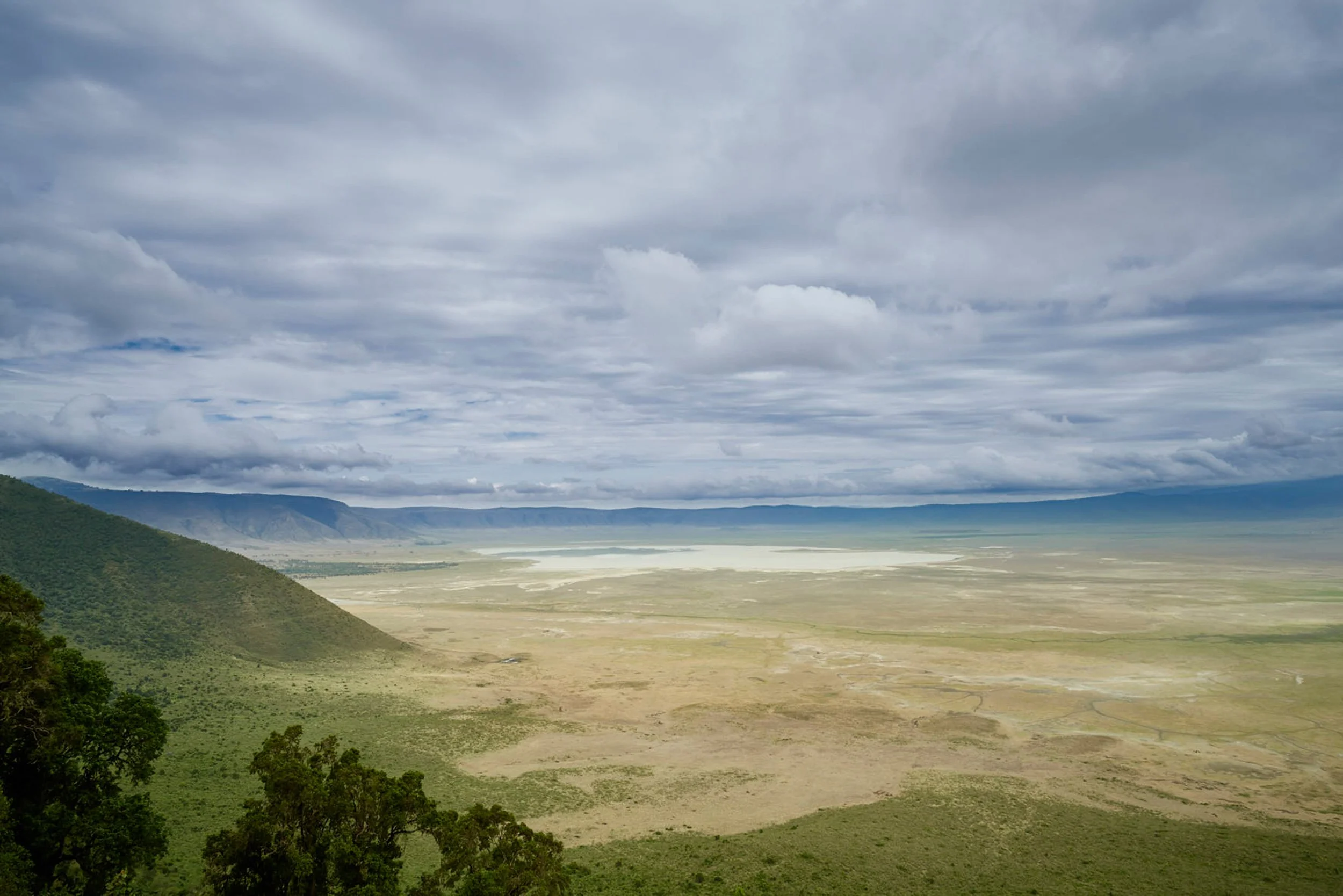
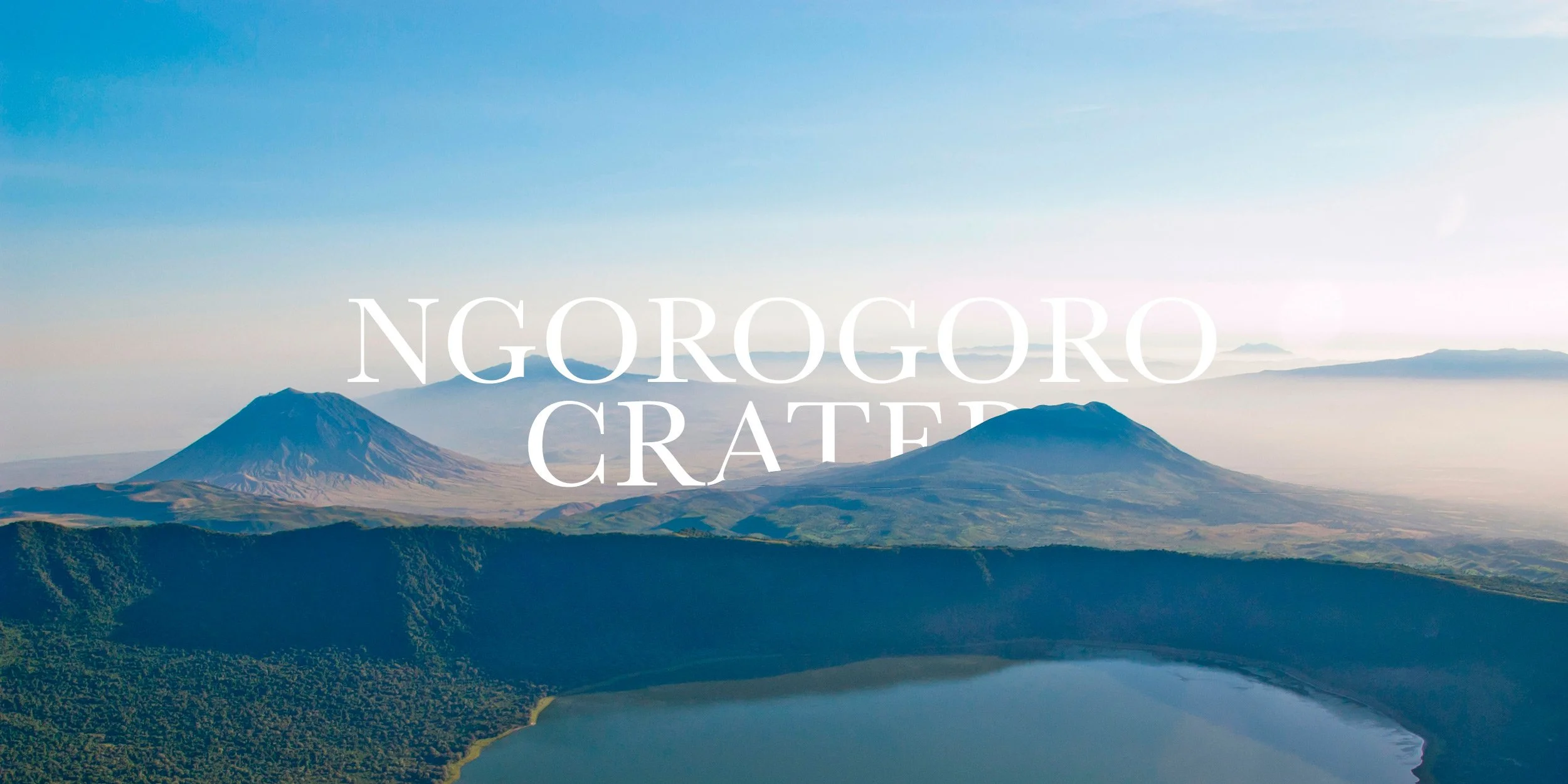
Formed when a great volcano collapsed millions of years ago, the Ngorongoro Crater is a natural amphitheater teeming with wildlife. Its walls rise around 2,000 feet (600 m) above a floor of grassland, swamp and soda lake, home to lions, elephants, vast herds of plains game and one of Africa's most accessible populations of black rhino.

A World Within Earth’s Walls
A Natural Wonder
The crater floor covers around 100 square miles (260 km²), creating one of the densest concentrations of wildlife in Africa.
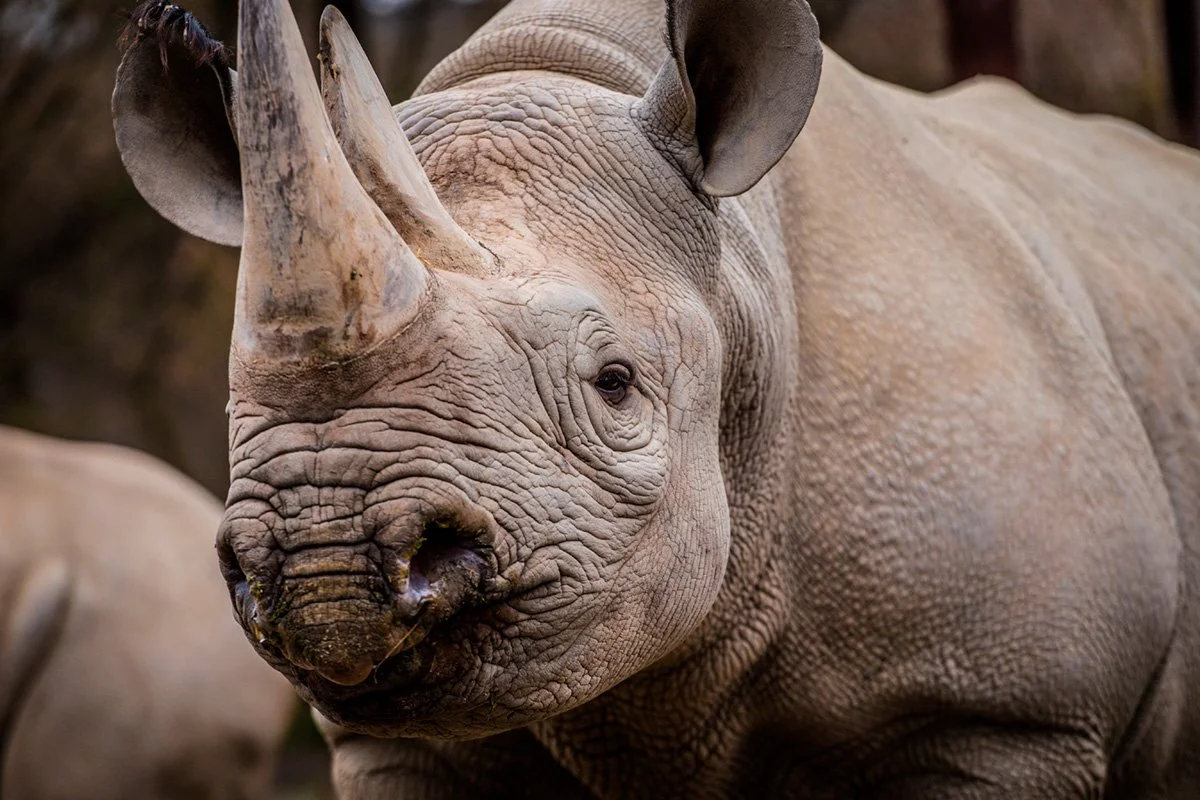
Black Rhino Haven
Under round-the-clock protection, the crater shelters one of the continent's most important black rhino populations.
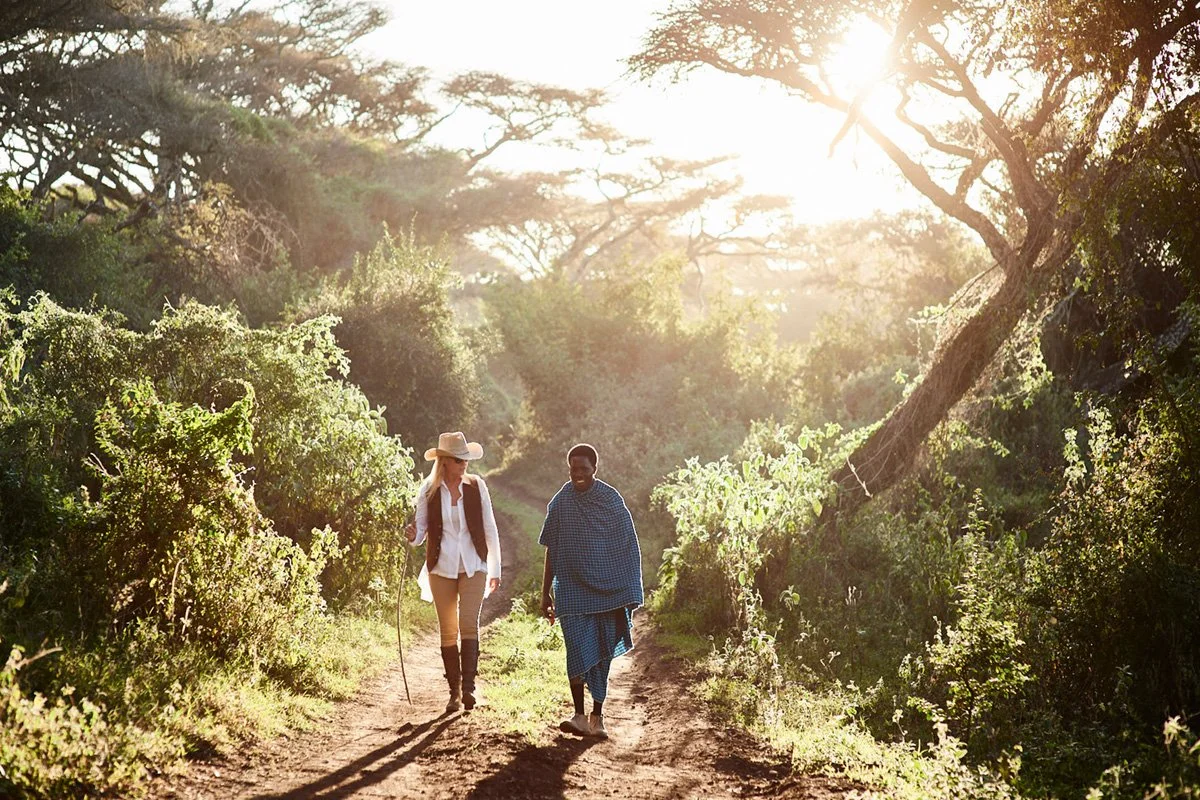
People & Wildlife
The wider Ngorongoro Conservation Area is a UNESCO World Heritage Site where Maasai pastoralists live alongside wildlife, a rare model of coexistence.
Unforgettable Experiences
A safari like nowhere else on earth.
-
![]()
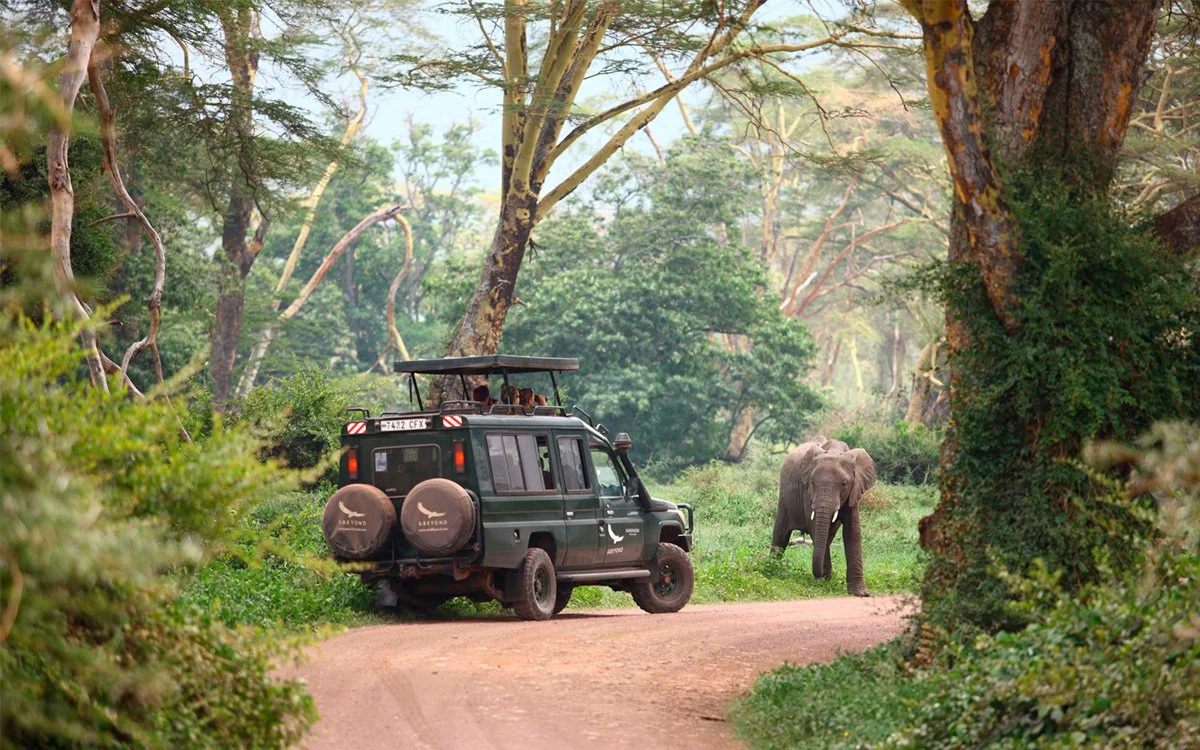
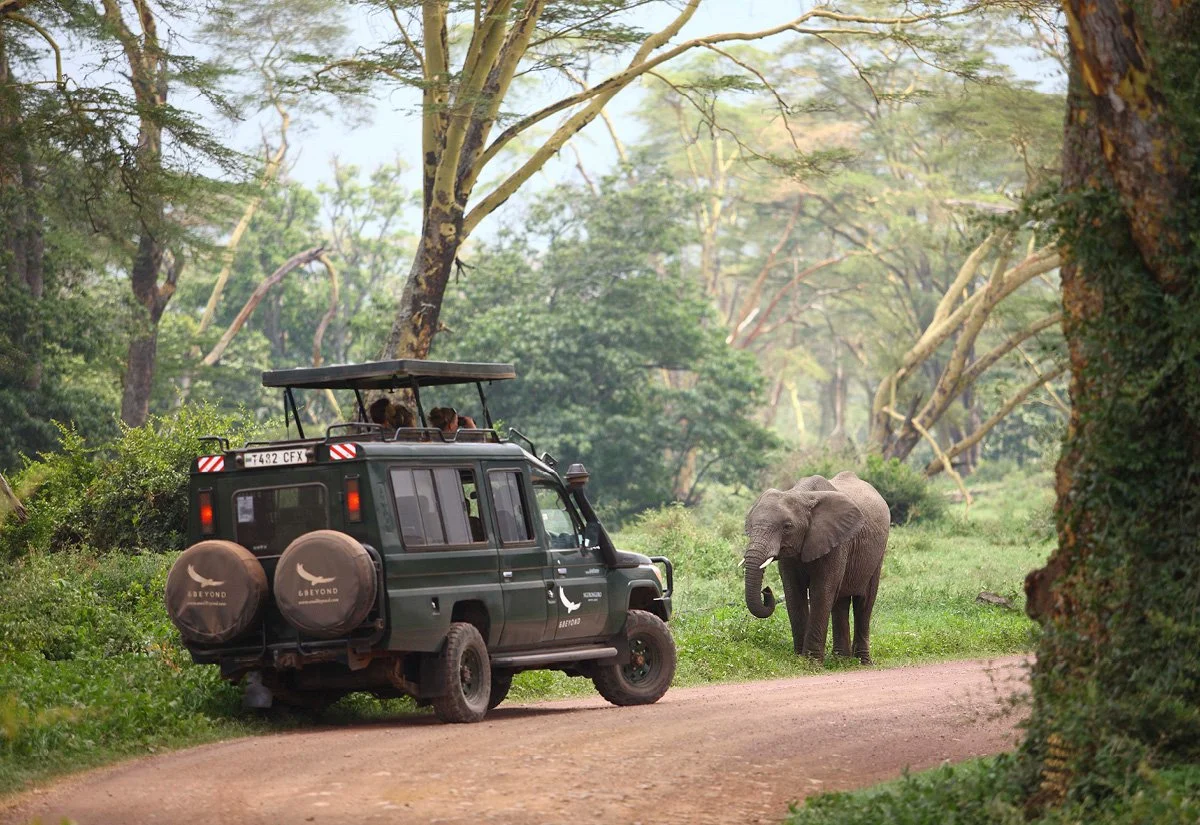
Crater Floor Game Drives
Descend at dawn to search for lion, elephant and hyena, from the open grasslands to the yellow fever trees of the Lerai Forest.
-
![]()
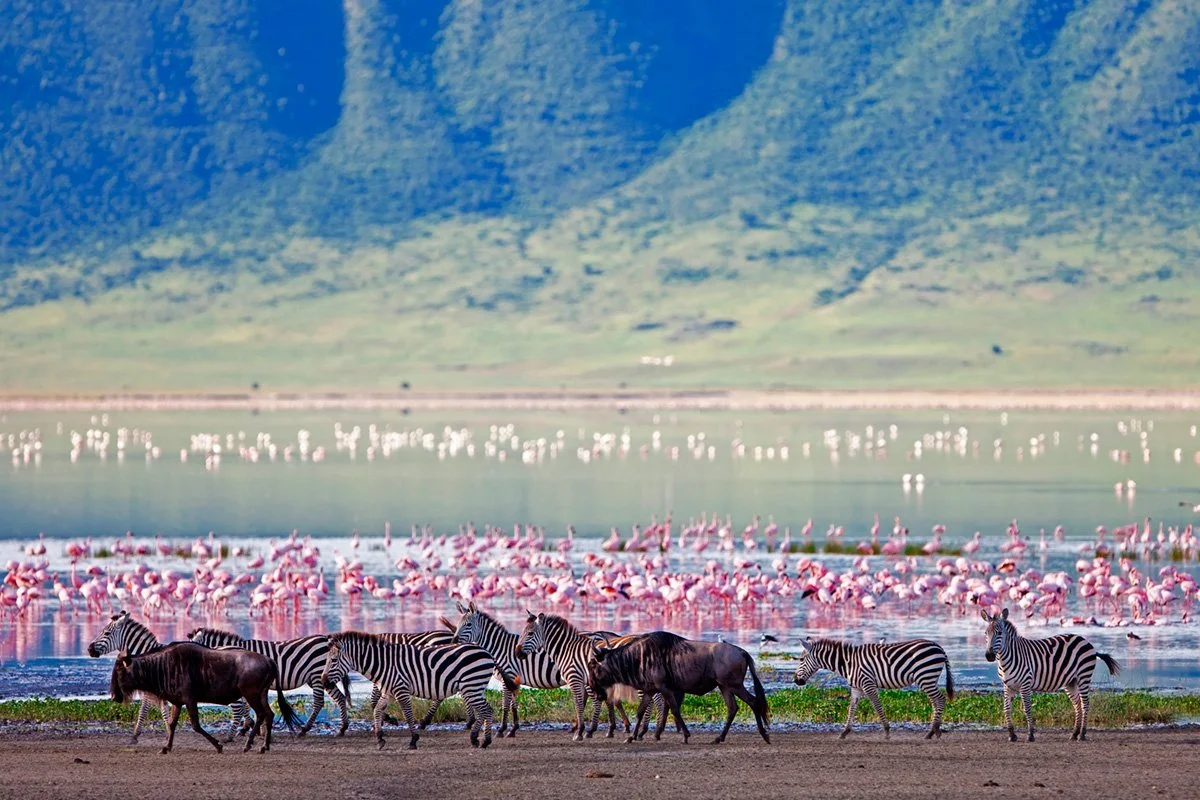
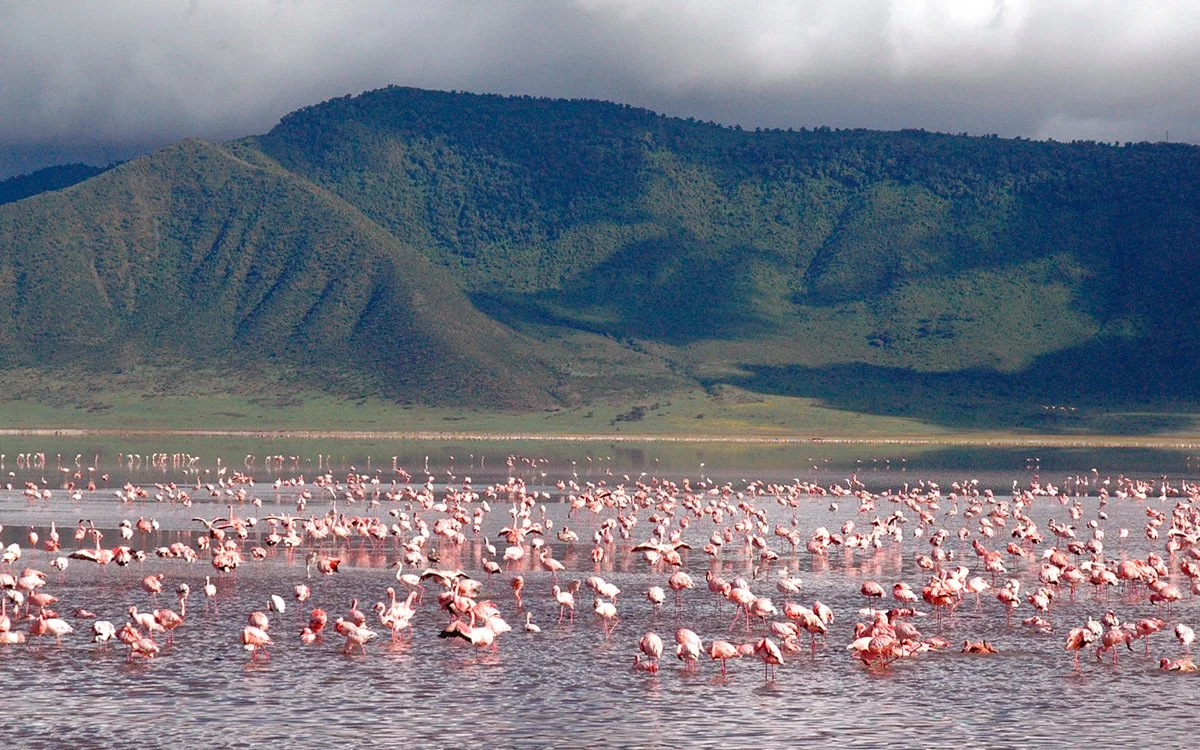
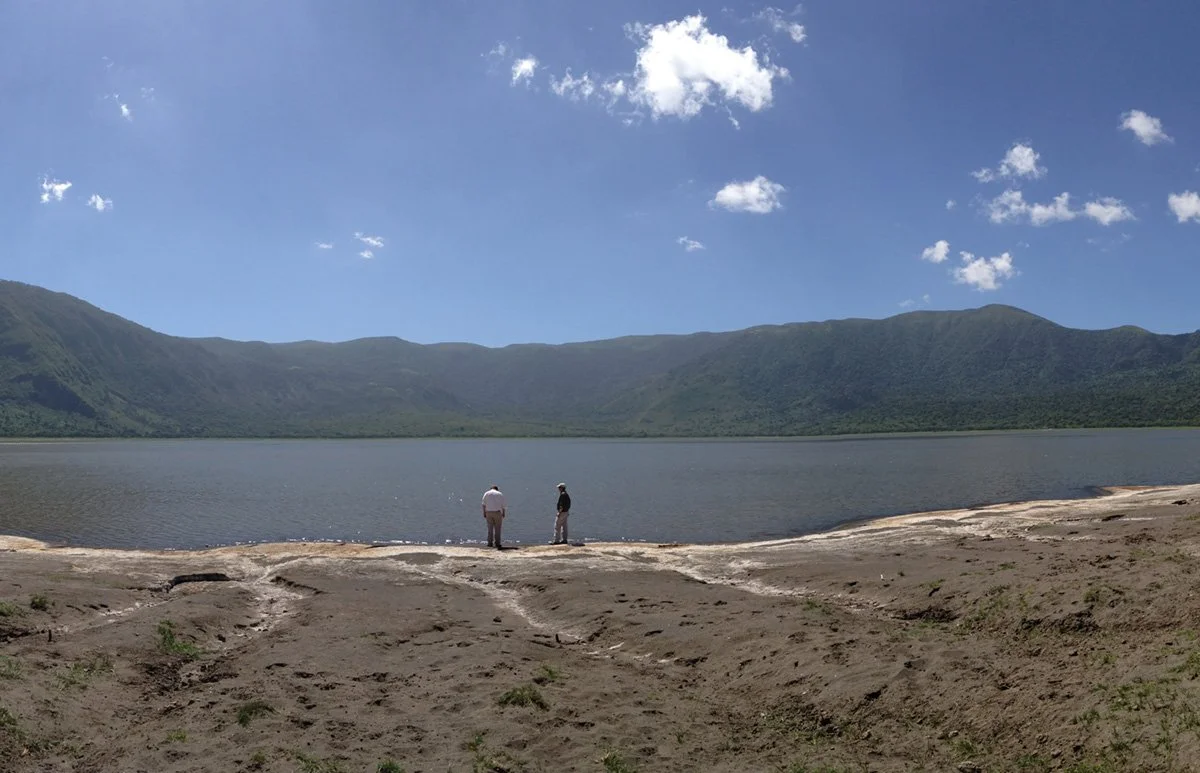
Flamingos at Lake Magadi
Watch flocks of flamingos gather on the crater's shallow soda lake.
-
![]()
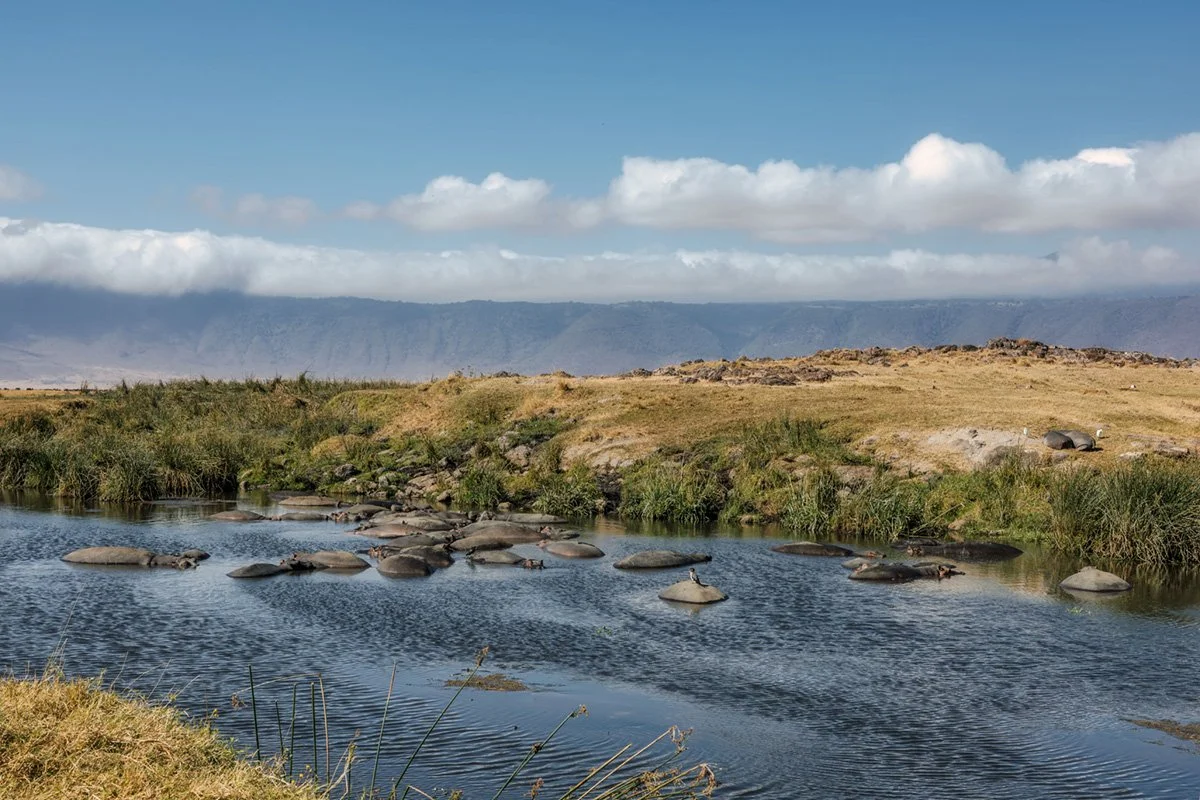
Hippo Pool Picnics
Lunch beside a spring-fed hippo pool, deep within the crater.
-
![]()
Crater Rim Walks
Walk the rim with an armed ranger, with sweeping views down into the caldera.
-
![]()
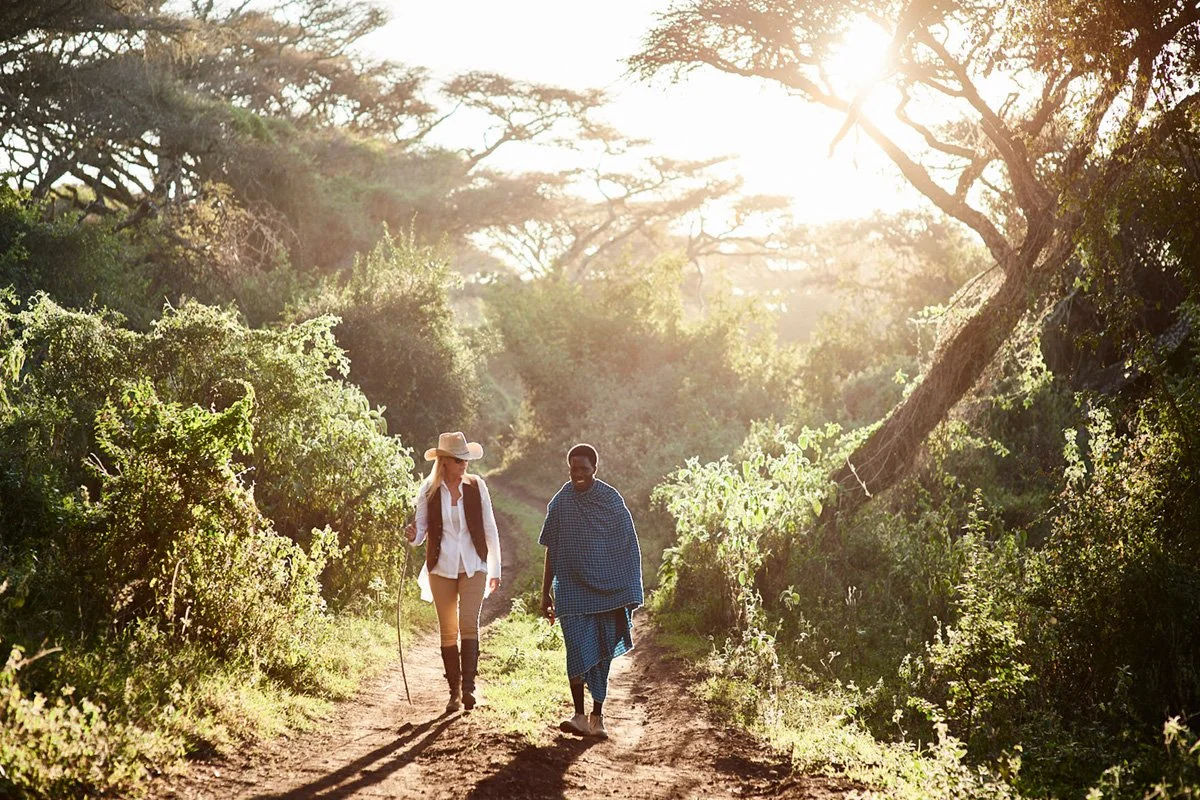
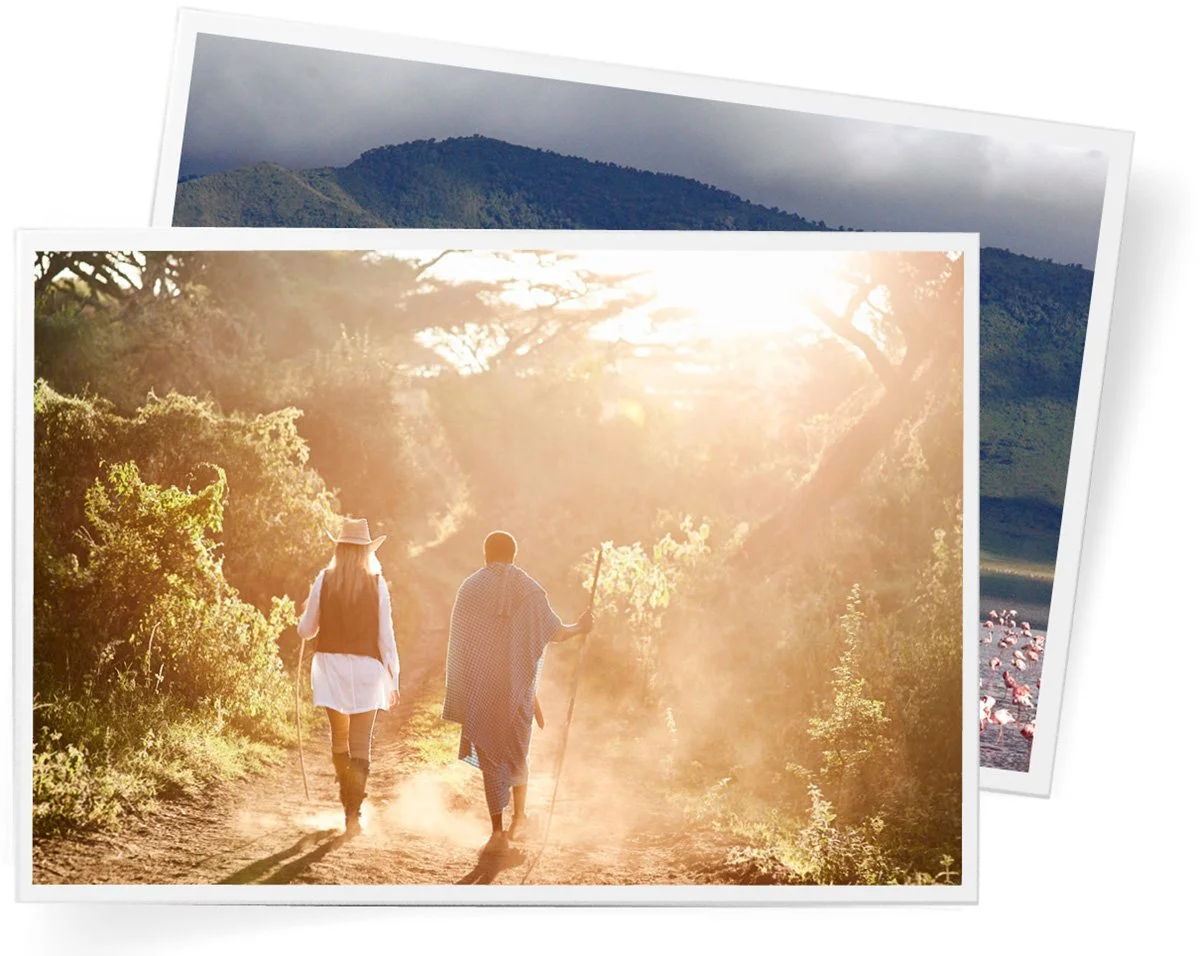
Walking with the Maasai
Follow Maasai guides along highland forest trails and learn how they read the land.
-
![]()
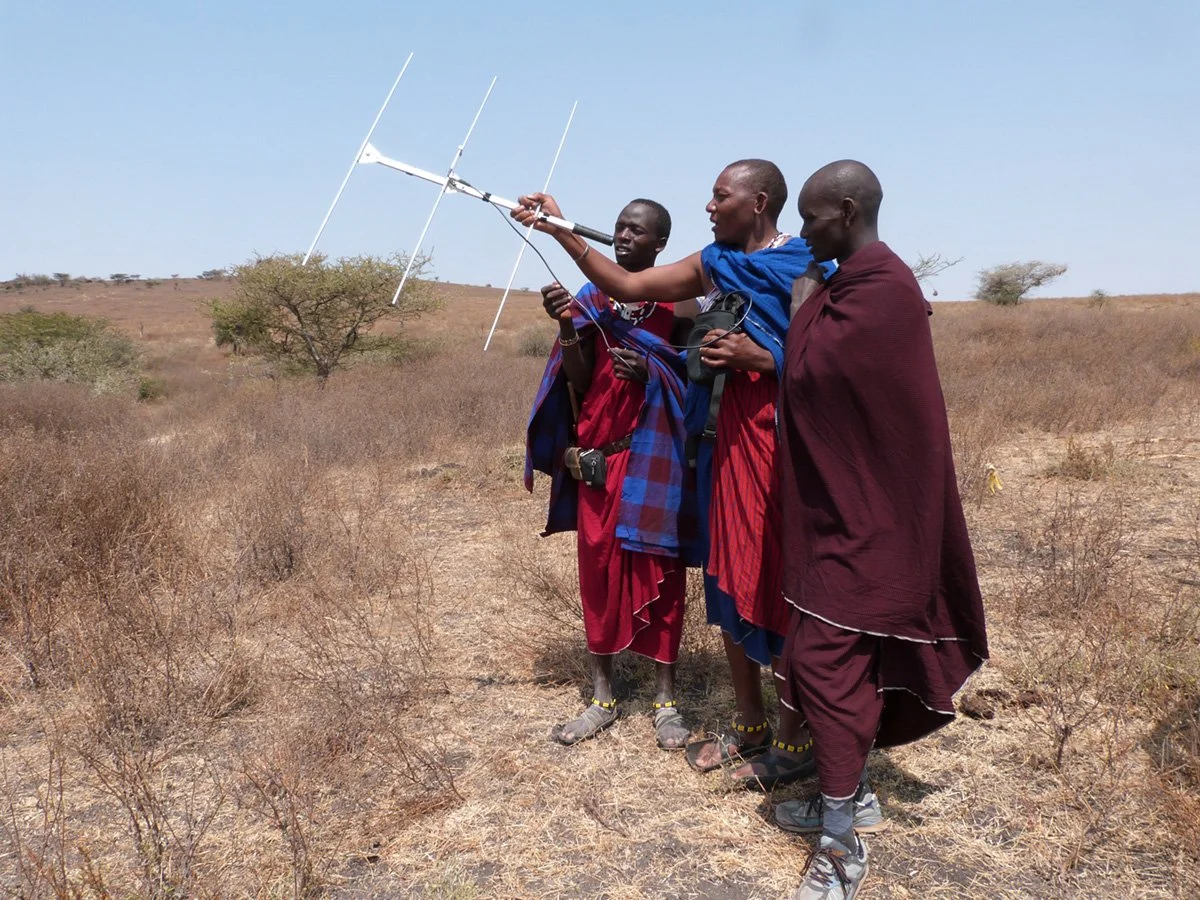
Lion Tracking with Maasai
Join Maasai trackers using radio telemetry to follow collared lions, part of efforts to help people and predators live side by side.
-
![]()
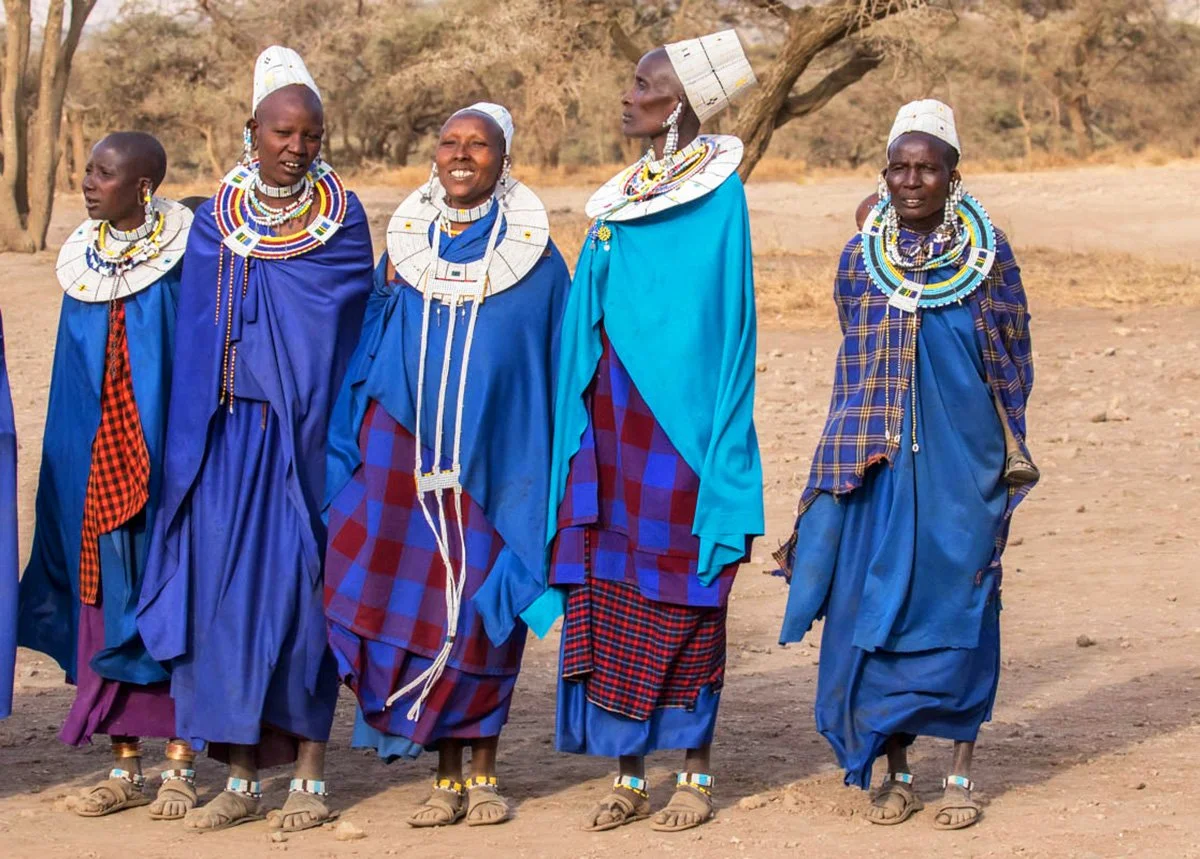
Maasai Cultural Visits
Spend time with Maasai families in the highlands, famed for their beadwork, song and dance.
-
![]()
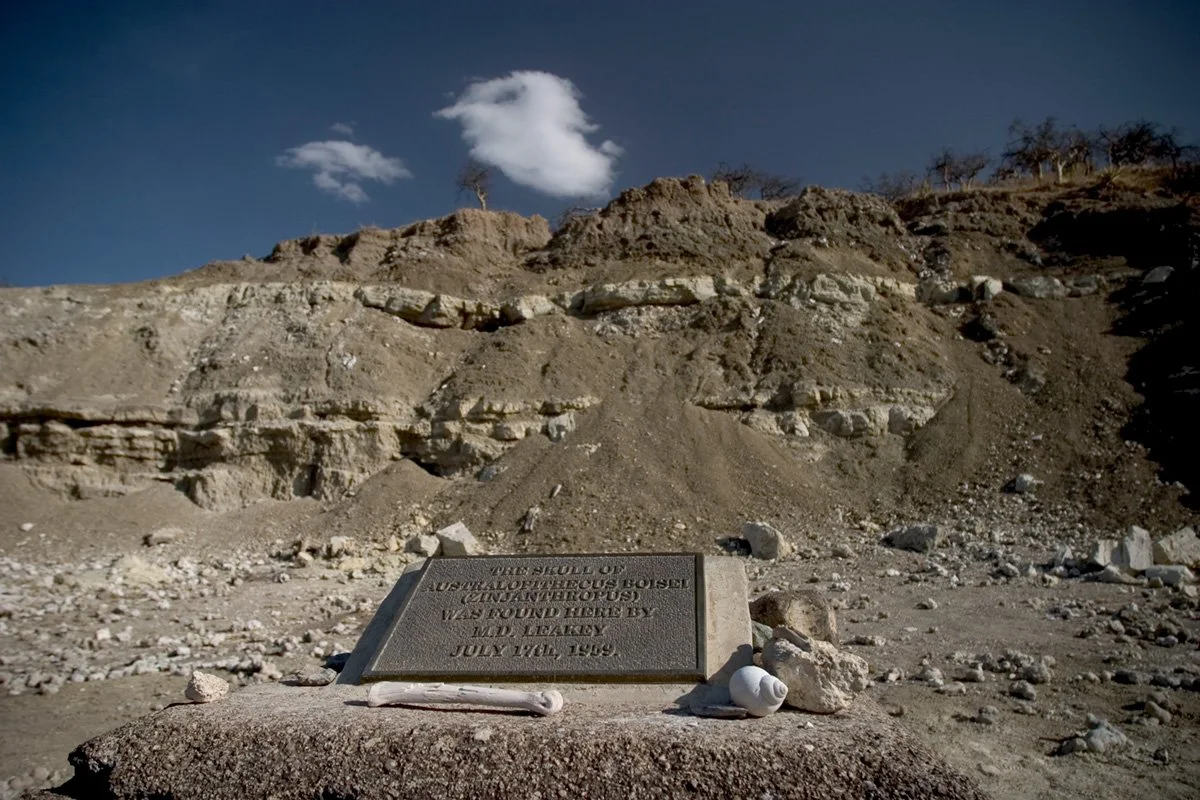
Olduvai Gorge & the Shifting Sands
Visit one of the world's most important sites for human origins, then see a dune of black volcanic ash that slowly creeps across the plains.
-
![]()
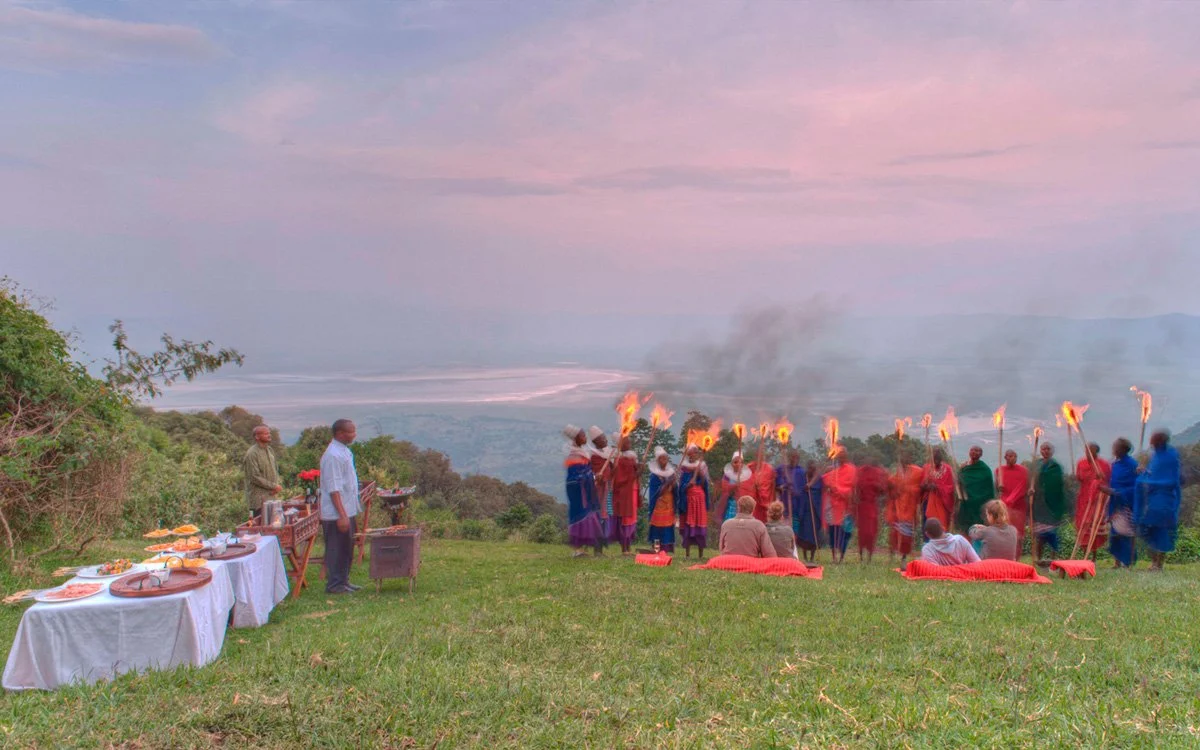
Sundowners on the Rim
Toast the sunset high on the crater rim, with Maasai song as the light fades.
-
![]()
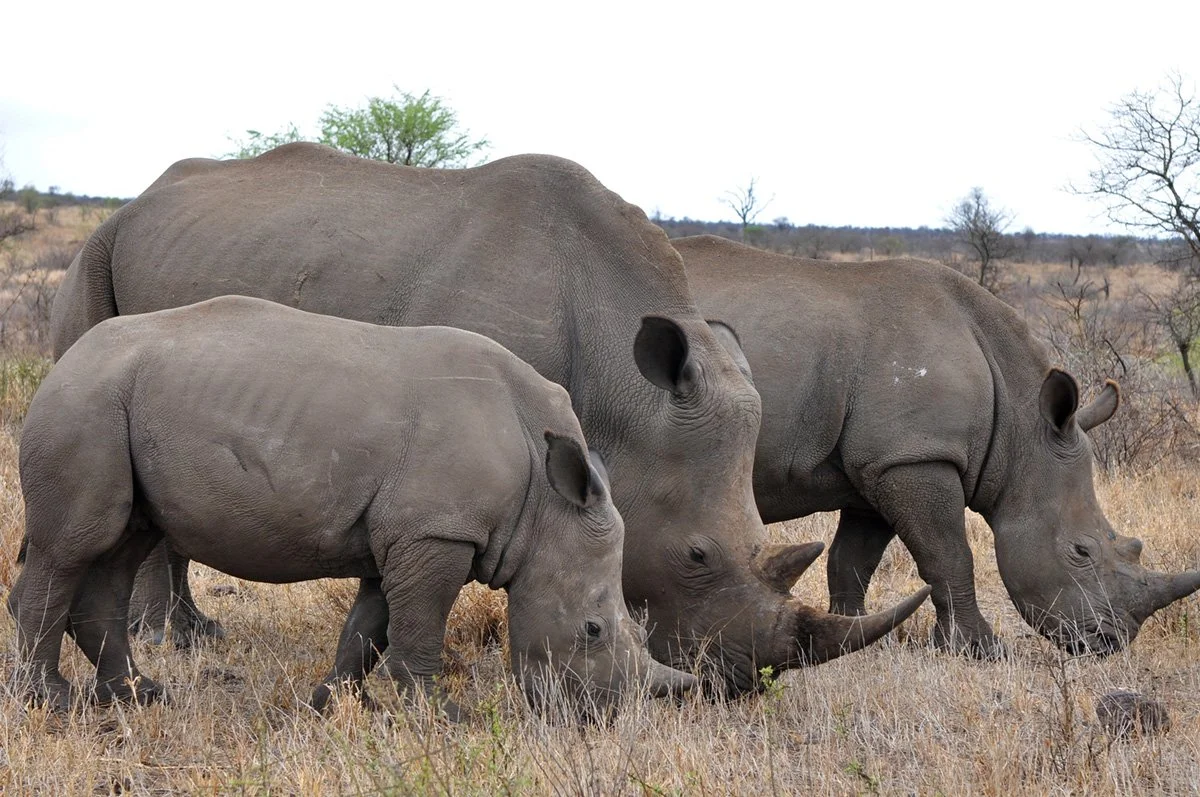
Black Rhino Sightings
Scan the grasslands and Gorigor Swamp for one of Africa's rarest animals.
When to visit
The crater's resident wildlife makes it a year-round destination.
-
The dry season offers clear views and reliable wildlife sightings, though this is the busiest time.
-
The green season brings lush landscapes, fewer vehicles and newborn animals. It is also calving season in the nearby southern Serengeti.
-
The long rains bring misty, dramatic scenery and the fewest visitors.
Premier Stays
From the very edge of the crater to the green highlands below.
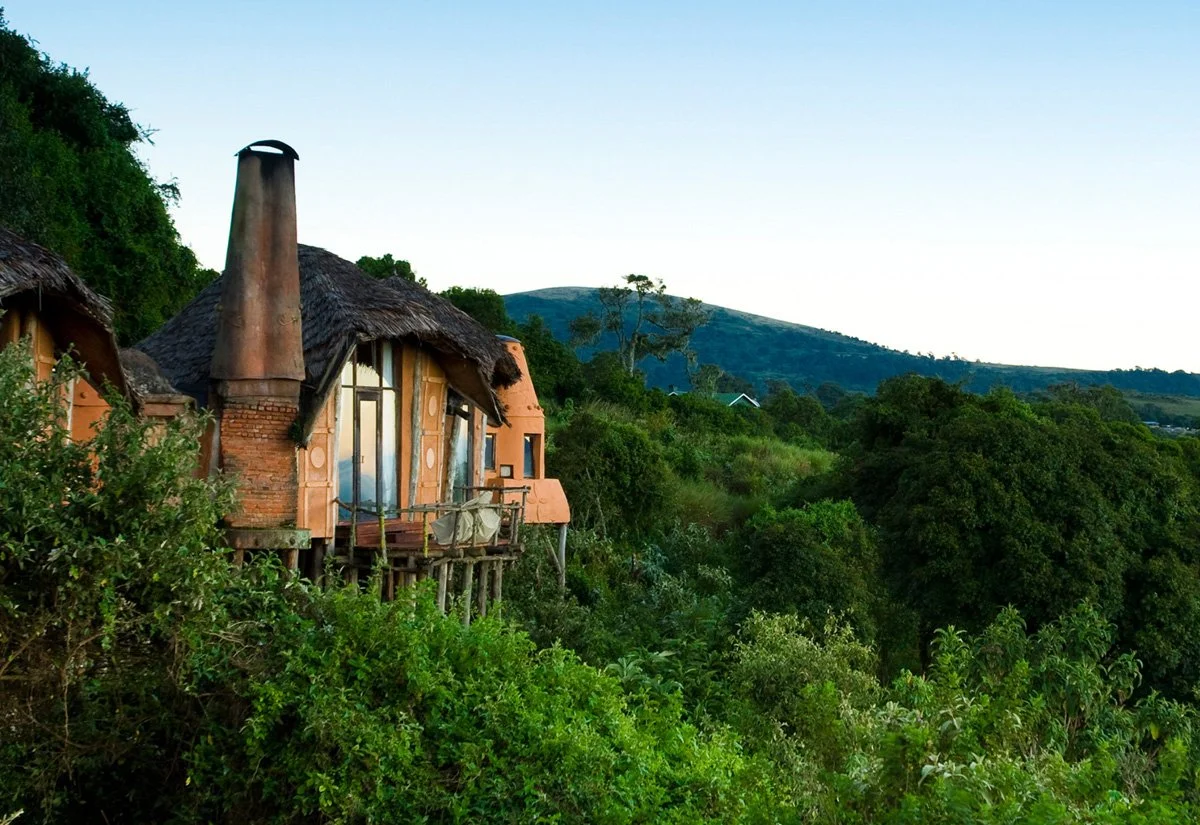
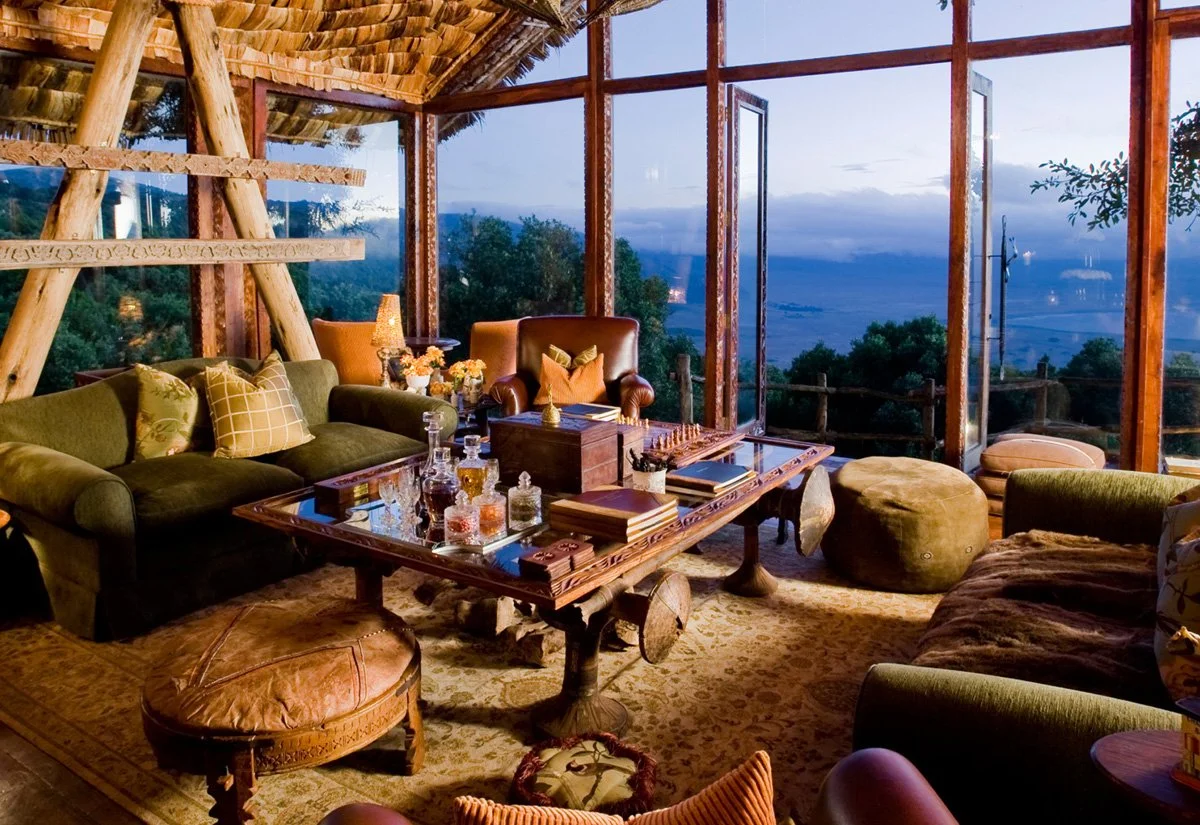
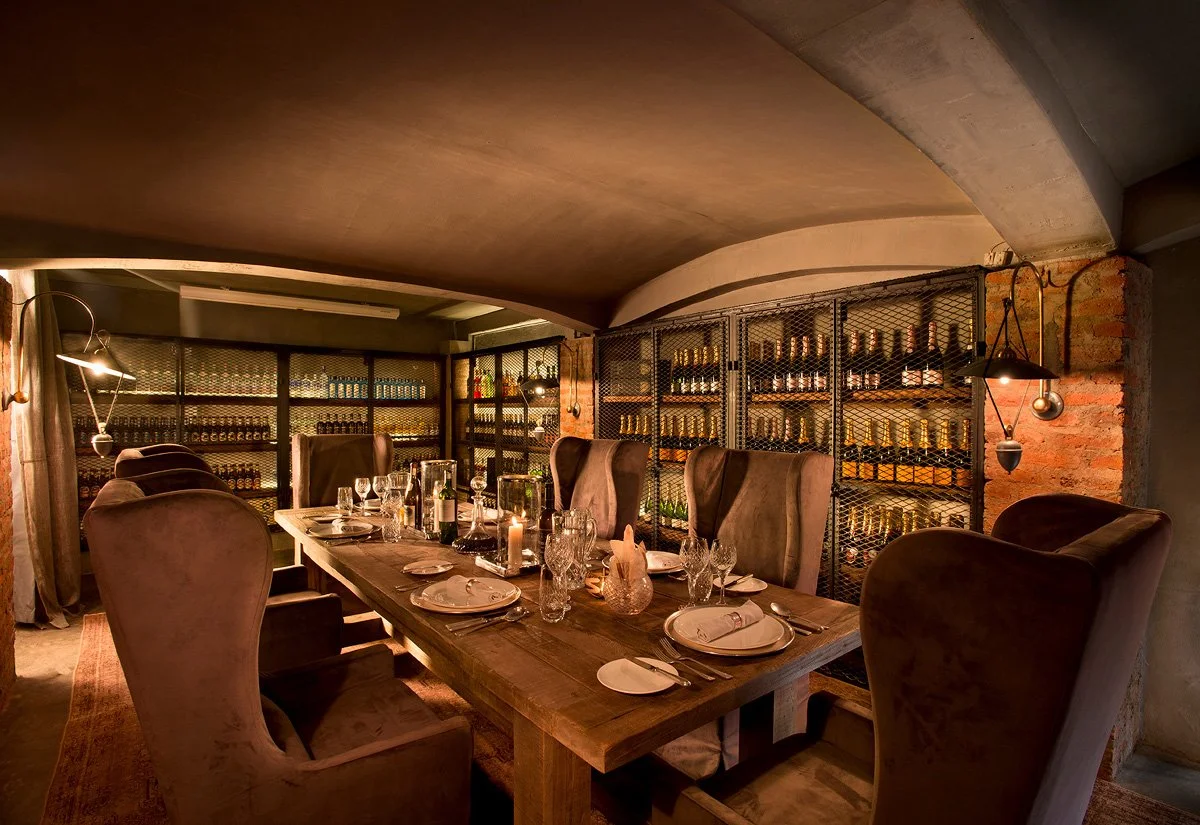
Crater Rim Lodges
Lodges perched on the edge of the crater, from theatrical, opulent suites to contemporary rooms with floor-to-ceiling crater views.
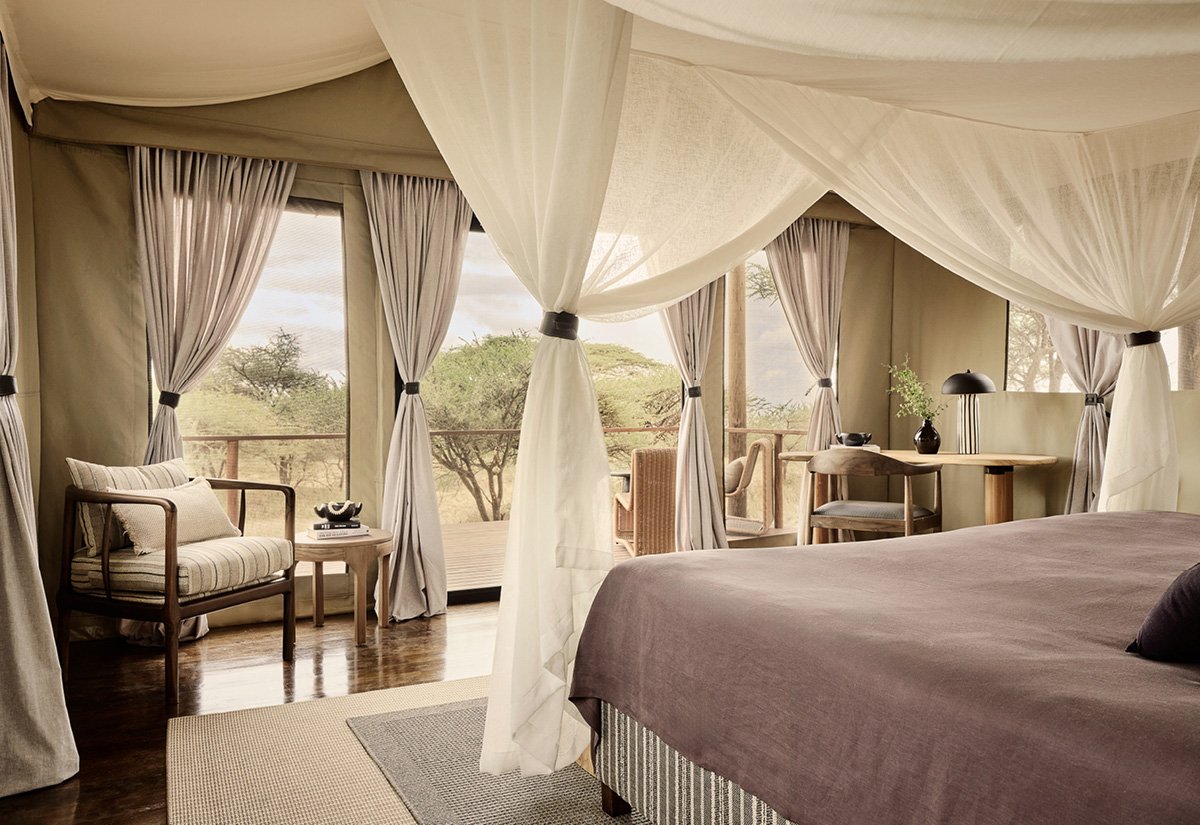
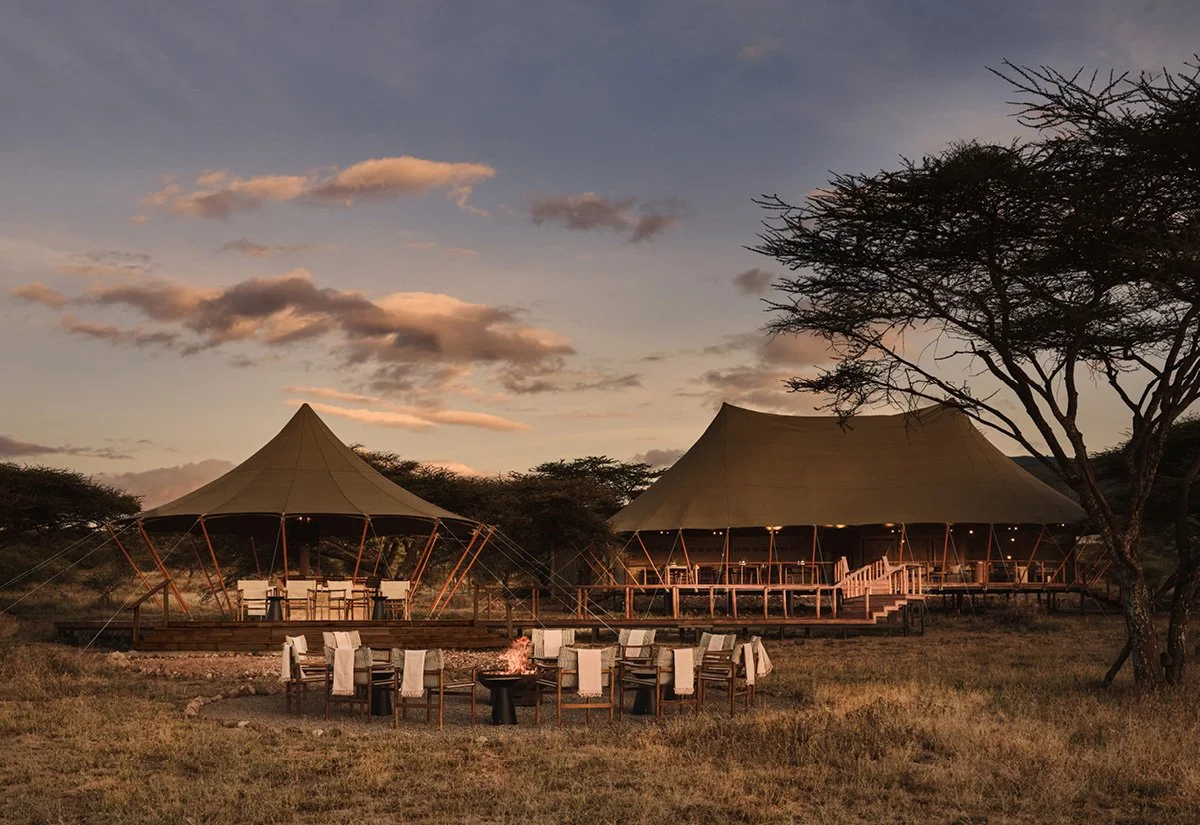
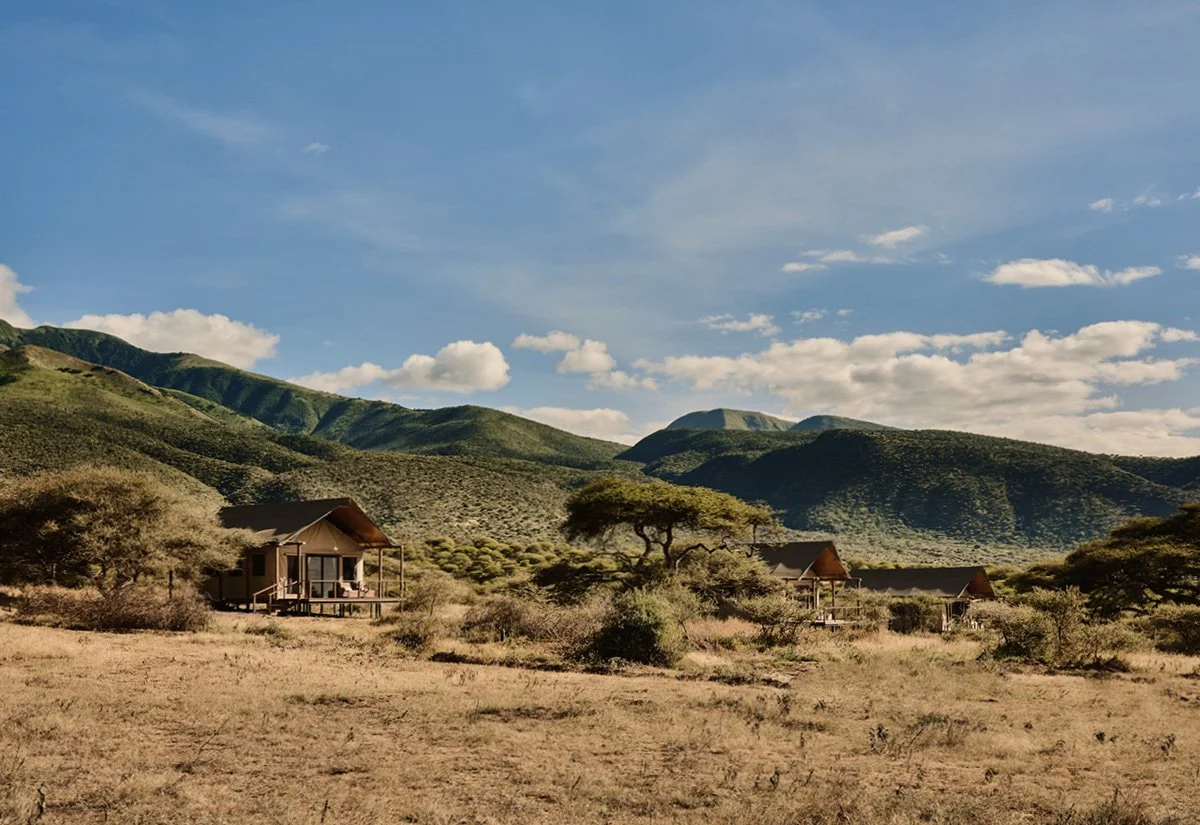
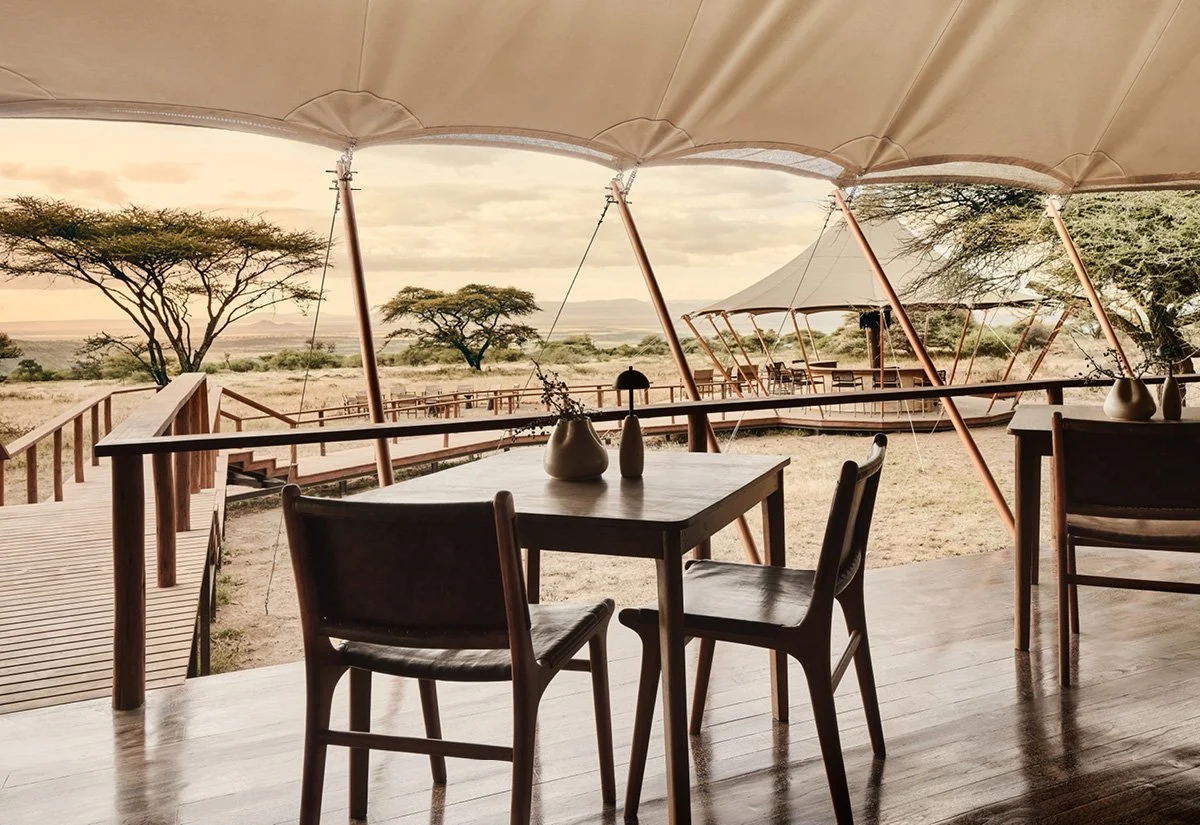
Tented Camps
Luxury tents on the crater rim, with sweeping views and an early start on the crater floor.
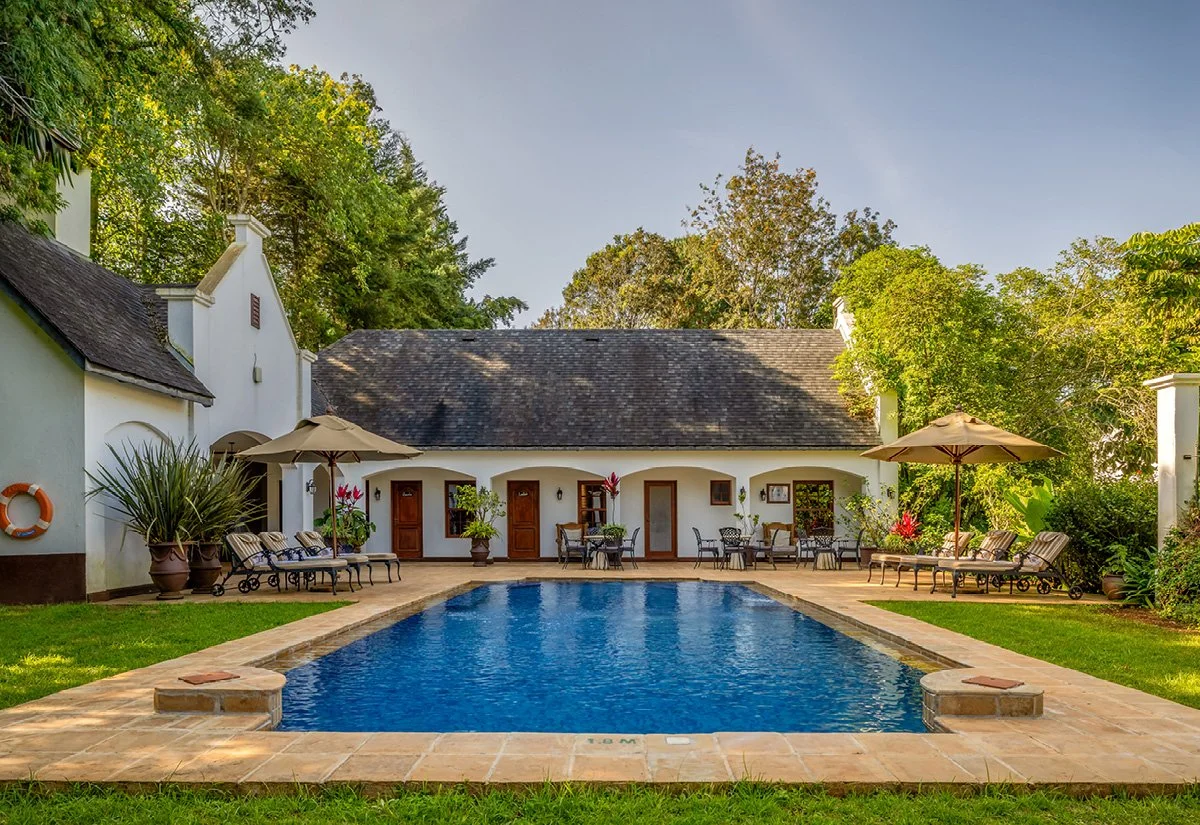
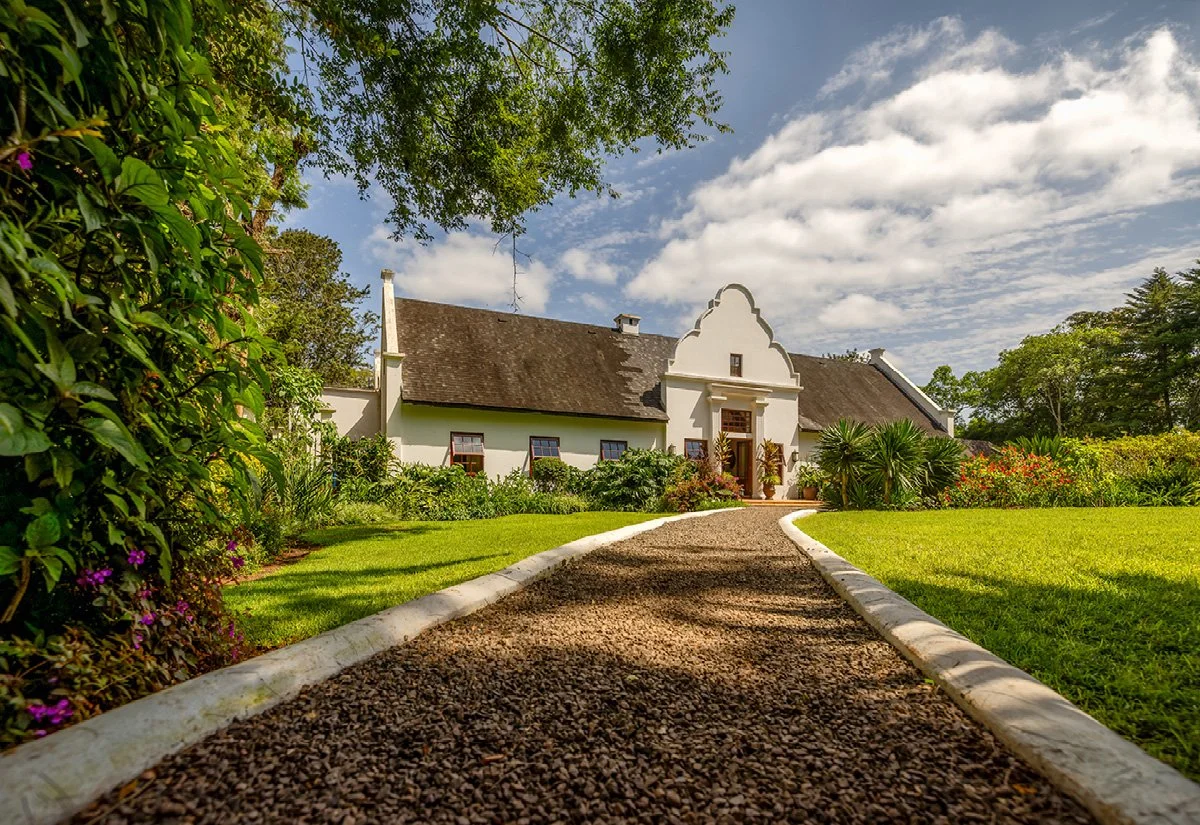
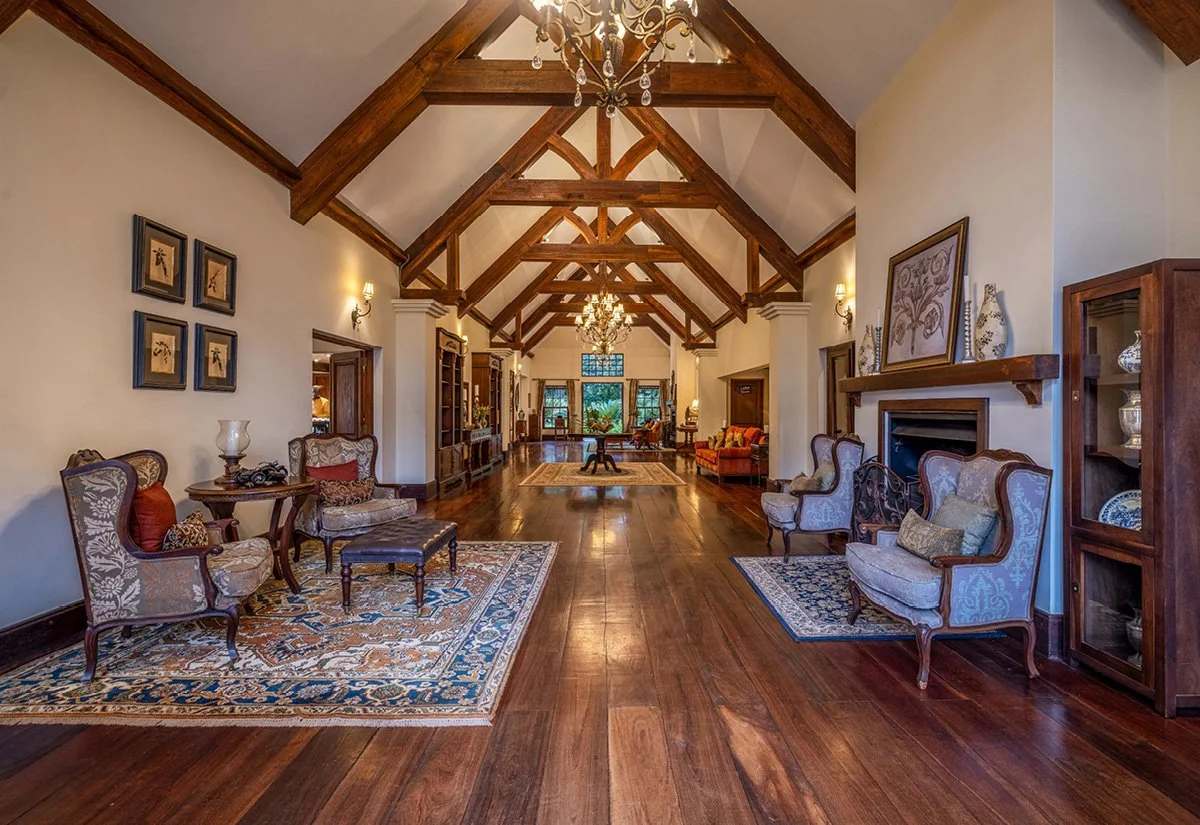
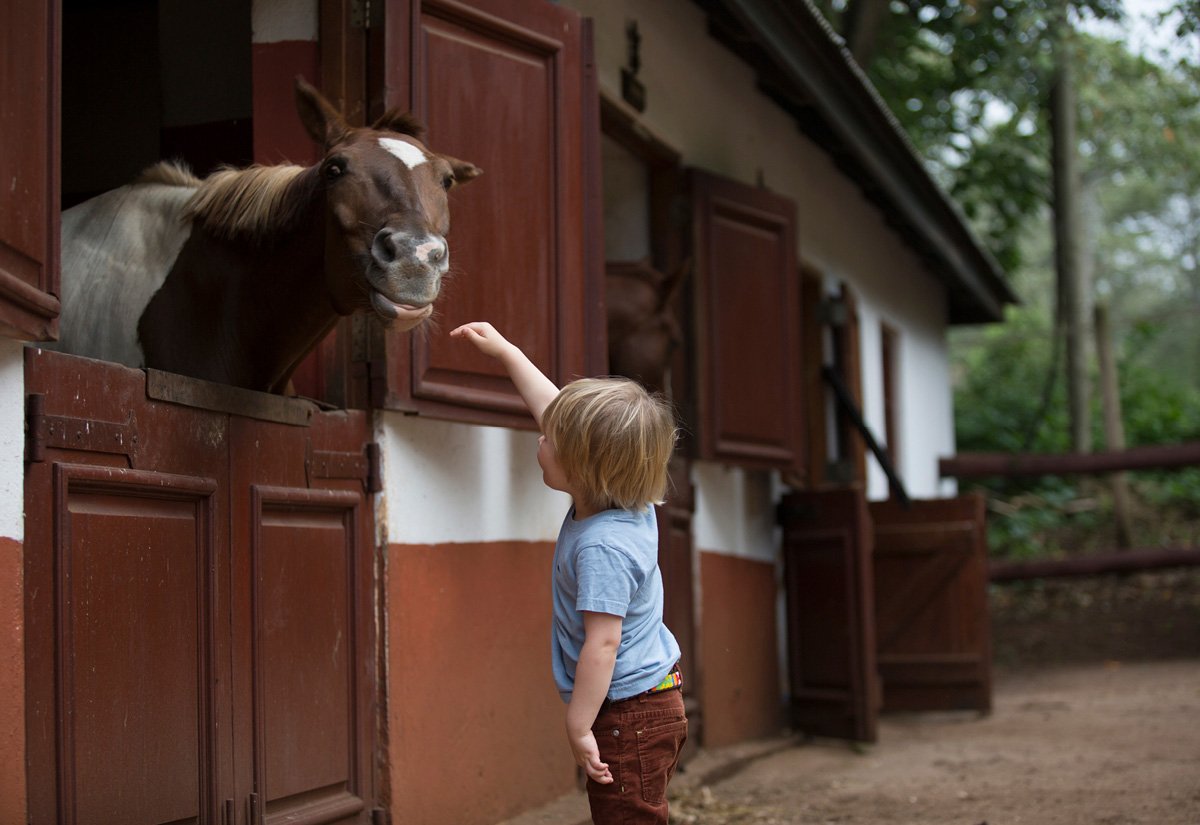

Coffee Estate Manors
xxx
Pairs Perfectly with…
Because the best safaris rarely stop at one destination.
-
![]()
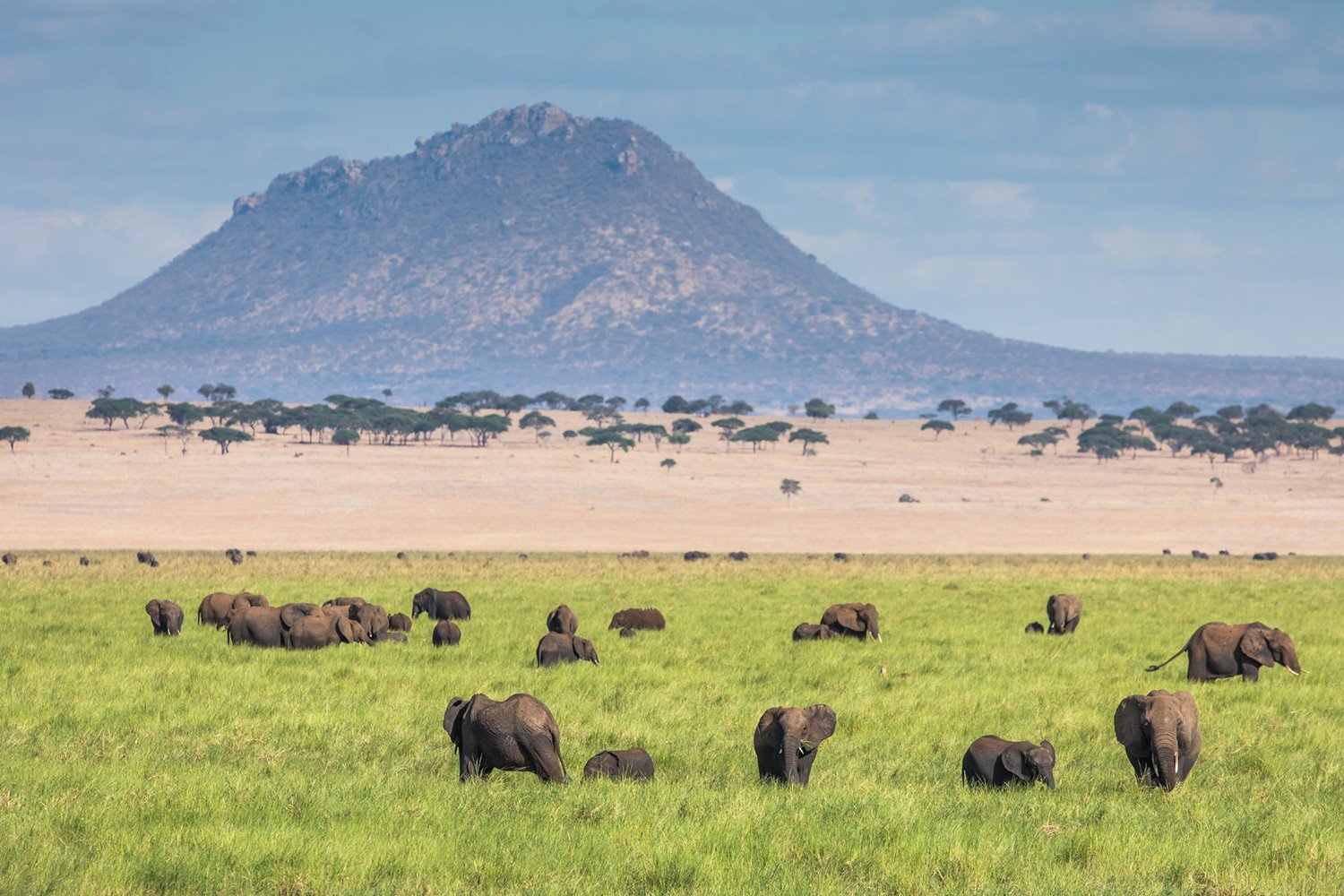
Tarangire National Park
Ancient baobabs, enormous elephant herds and exceptional game viewing.
-
![]()
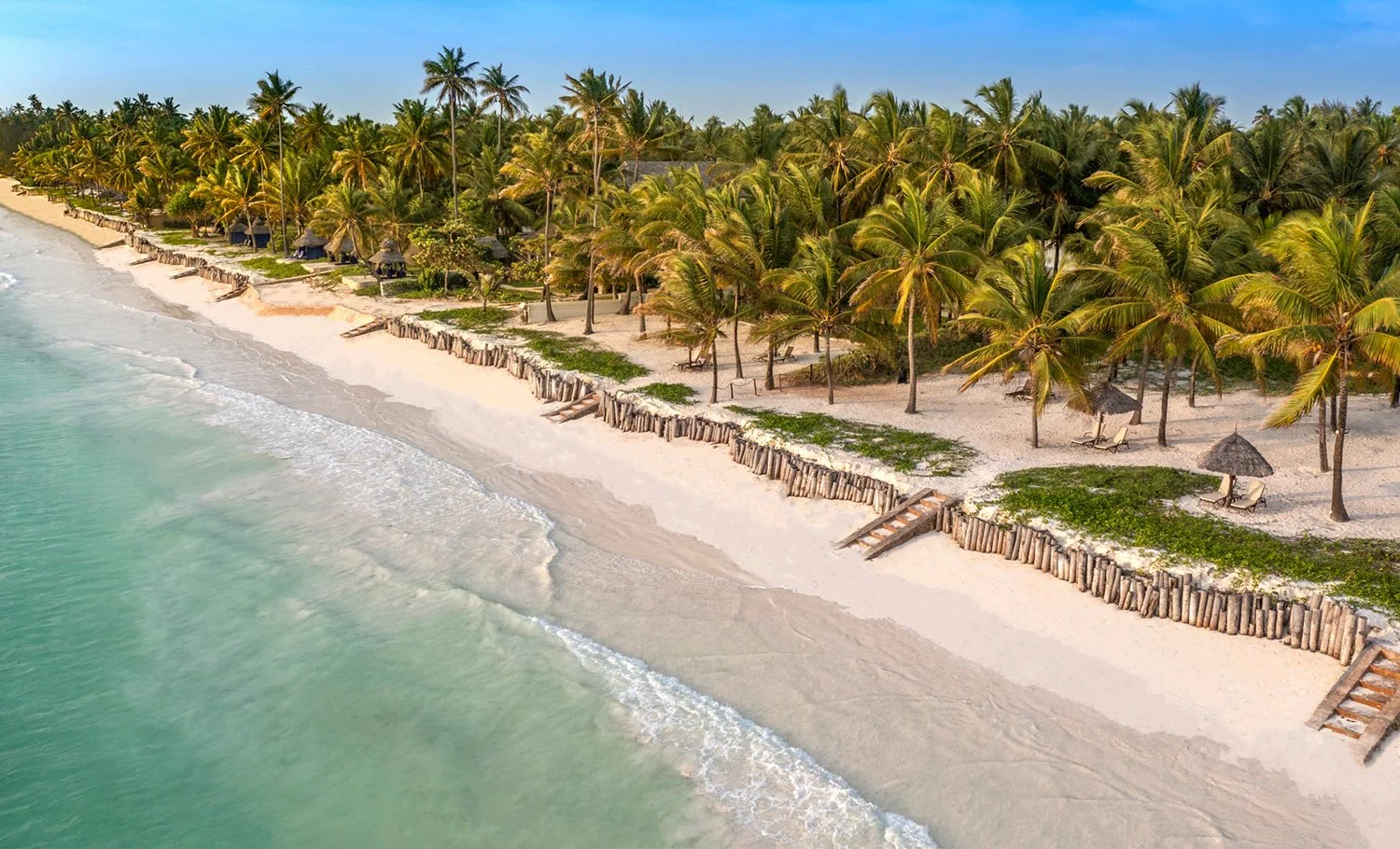
Zanzibar
Swap safari for white sand beaches and warm Indian Ocean waters.
-
![]()
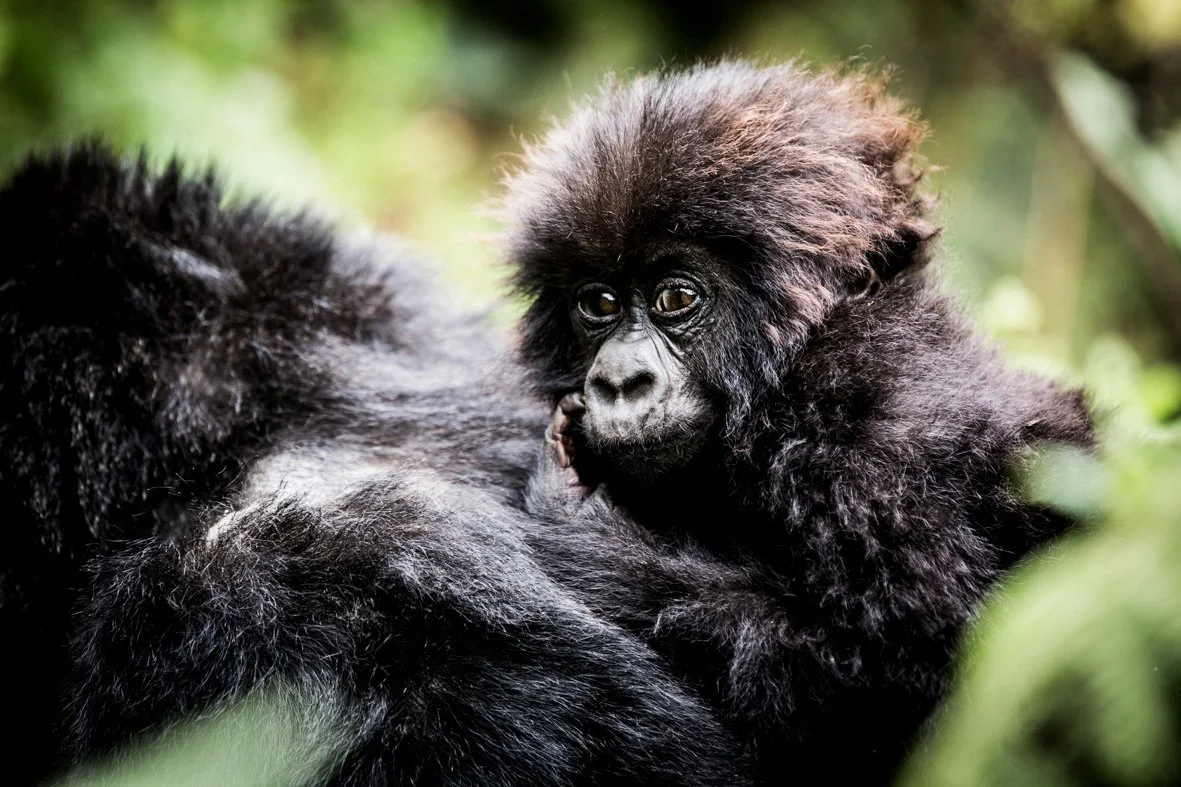
Rwanda
Add an unforgettable gorilla trekking experience to your East African adventure.
-
![]()
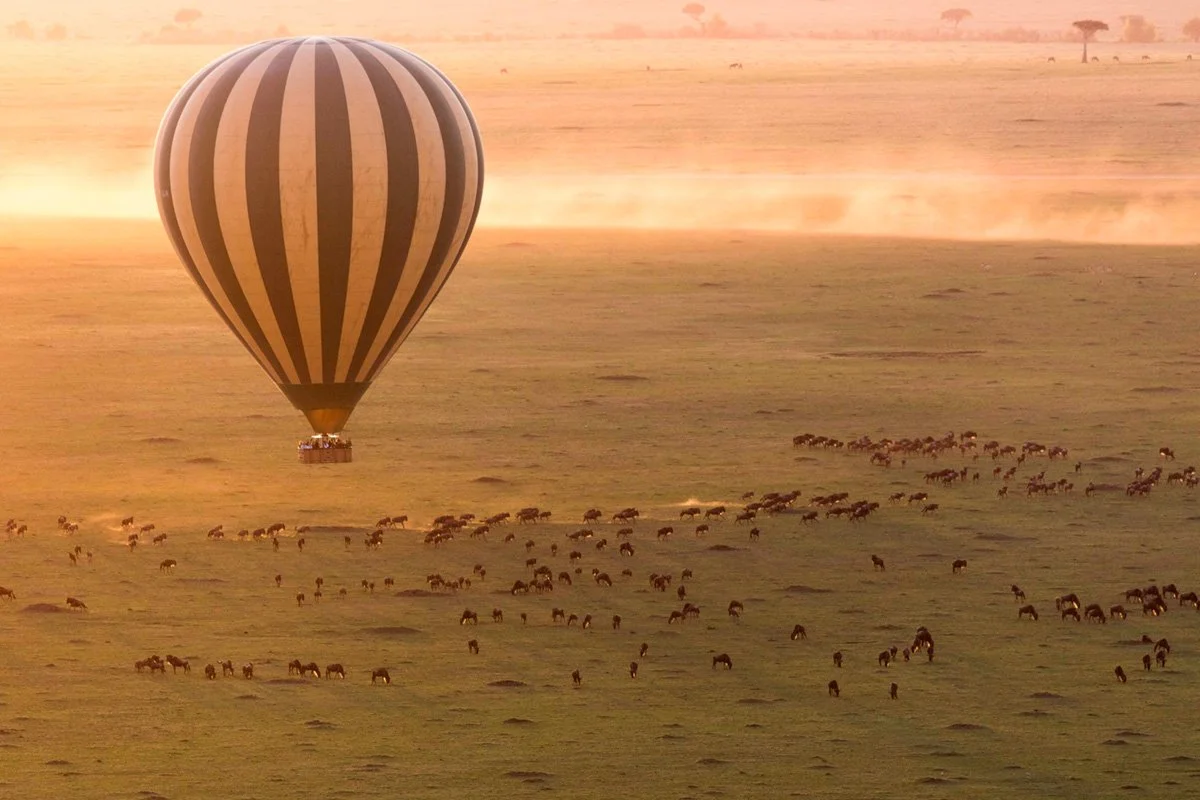
Serengeti
Cross into Tanzania to follow the herds across endless plains.
-
![]()
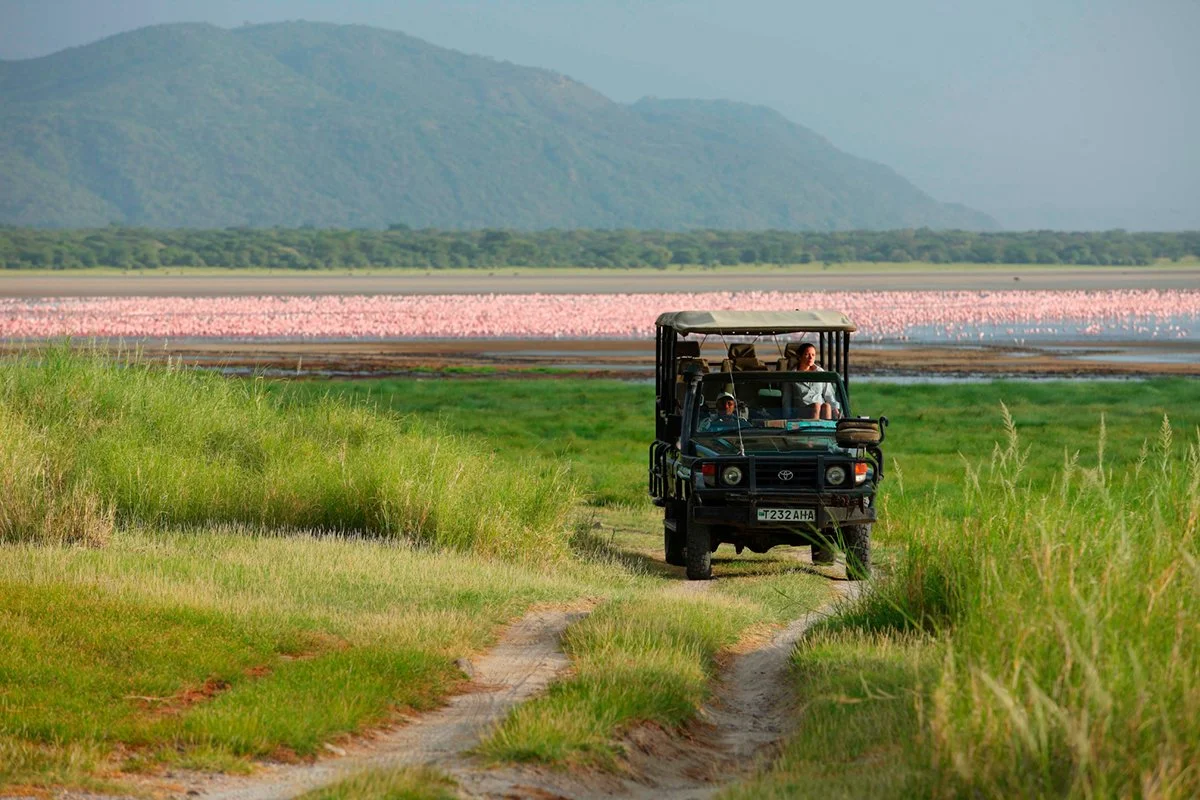
Lake Manyara
Explore groundwater forest, soda lake and abundant birdlife.
Frequently Asked Questions
-
Game drives on the crater floor are limited to around six hours, so early starts are usually the order of the day.
-
Lion, elephant, buffalo and black rhino are all present. Leopards are rarely seen on the crater floor.
-
It is around a four-hour drive from Arusha, or a short flight to the nearby Lake Manyara airstrip followed by a scenic drive.
-
US citizens need a visa, arranged online before travel. Since October 2026, visitors also need Tanzania's inbound travel insurance. Antimalarials are recommended for most safari areas.
-
We recommend one to two nights on the crater rim, as part of a wider northern Tanzania safari.